
SteamOS 3.8 Released: Initial Steam Machine Support and KDE Plasma 6.4
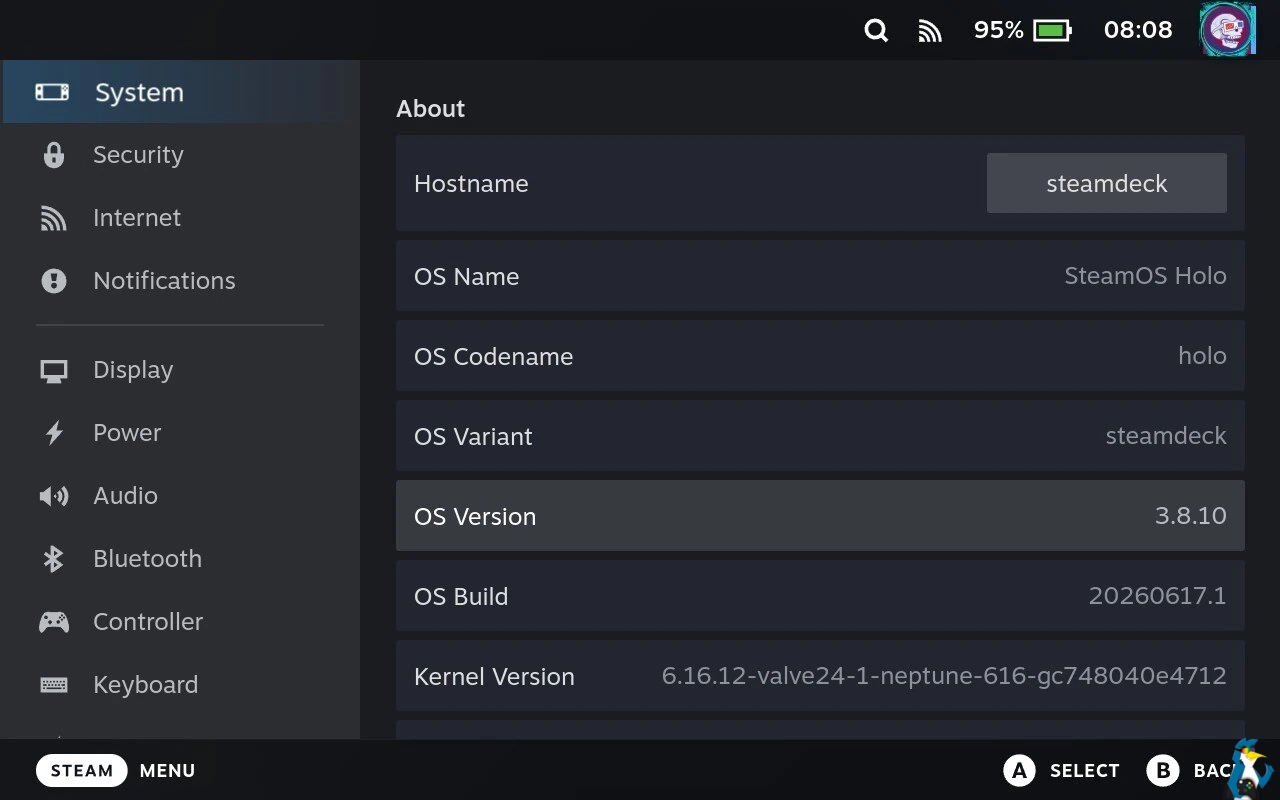
Valve has officially released SteamOS 3.8, one of the most substantial updates to the Linux-based operating system to date. The update, which is now available for the Steam Deck and other supported hardware, introduces a wide array of system-level improvements ranging from initial Steam Machine hardware support to a major overhaul of the Desktop Mode experience.
- Desktop Mode: Updated to KDE Plasma 6.4.3; now uses Wayland by default.
- Kernel: Updated to Linux kernel 6.16.
- New Features: Initial support for upcoming Steam Machine hardware.
- Bluetooth: Restored Bluetooth Wake functionality for Steam Deck LCD.
- Accessibility: Added option for forced mono audio output.
Desktop Mode and System Upgrades
The most visible change for users who frequent Desktop Mode is the jump to KDE Plasma 6.4.3, moving up from version 6.2.5. By switching to Wayland by default, Valve has addressed several performance disparities between Desktop Mode and Game Mode. The update adds support for external HDR and VRR (Variable Refresh Rate) displays, as well as per-display scaling, making it easier to use the Steam Deck with external monitors and TVs.
Under the hood, the system base has been updated and the Linux kernel is now at version 6.16. Valve has also optimized the OS update process, noting that future updates will be significantly faster on high-speed connections.
Display and Performance Improvements
Gamers should notice improved graphics performance thanks to updated drivers. Notable additions include preliminary support for HDMI VRR for devices with native HDMI output and improved VRR frame pacing. Valve also addressed specific display issues, including a fix for TCL TVs that previously resulted in a blank screen when using the Steam Deck Dock with VRR enabled.
For those playing high-end titles, the update includes missing graphics features required for games like Crimson Desert. The patch also resolves session crashes for titles including STAR WARS Jedi: Survivor™ and Starfield when closing the game window.
Third-Party Handheld Support
SteamOS 3.8 expands its reach significantly beyond the Steam Deck. Valve has added controller support for a range of devices, including the MSI Claw series, the OneXPlayer X1 and APEX series, and the Lenovo Legion Go 2. Handheld users will also benefit from reduced controller input latency, which has been improved from 5-8ms down to 100-500us.
Reliability for SD cards on various third-party handhelds—including the ASUS ROG Xbox Ally, Legion Go, and MSI Claw—has also seen improvements. Furthermore, Valve has implemented preliminary charge limiting for the Legion Go series, accessible via Desktop Mode.
Audio and Connectivity
Bluetooth and WiFi stability have been addressed as well. WiFi performance, which previously could degrade until a device was put to sleep, has been stabilized. For audio enthusiasts, the update adds a setting to enable Bluetooth headset microphones, though Valve notes that playback quality will be reduced while the microphone is active. Additionally, an accessibility option to force mono audio output has been added to the settings menu.
For a full breakdown of the technical changes, including specific BIOS updates for the Steam Deck LCD (v133) and OLED (v114), users can review the official patch notes provided by Valve.
Blue Brain Games: The House of Tesla Definitive Edition March 10Lenovo Legion Go
Proton Experimental Patch Notes: Vermintide 2 Fixes — Feb 2026Crow Warrior
Glass Bottom Games Unveils Verminsteel: Release Date & DetailsAction Puzzle
Daikon Games Unveils Chico's Rebound: Features & March 26 Release