
Valve Updates Steam Controller Shipping Estimates Amid High Demand
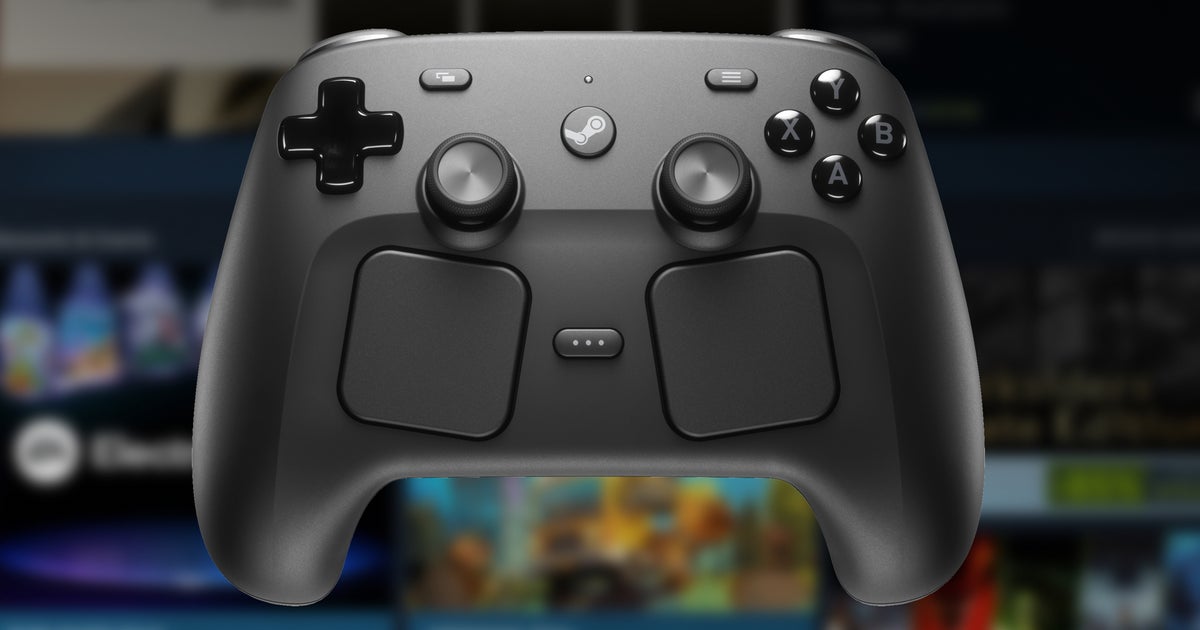
Since the Steam Controller officially launched on May 4, finding one in stock has been nearly impossible outside of the secondary market. The device, priced at £85/$99, has proven popular for its ability to emulate the Steam Deck experience and streamline sofa gaming, but Valve is now warning that it simply cannot manufacture the units fast enough to keep up with current interest.
Updated Shipping Windows for 2026 and Beyond
Following the implementation of a reservation queue just three days after launch, Valve has officially acknowledged that demand has exceeded its initial expectations. In a new blog post, the company confirmed that it has no plans to stop production, but it wants to manage expectations regarding delivery timelines for those currently in the queue.
The Steam Controller page has been updated to reflect one of three specific shipping windows based on when a reservation was placed:
- By September 2026
- By December 2026
- In 2027
For those who have not yet secured a reservation, Valve indicates that new orders will likely be pushed into the 2027 window. The company plans to update these estimates as they get closer to each time frame.
A Niche Success
The device’s popularity stems from its specific feature set, which allows users to navigate the Steam UI without a mouse and offers a dedicated controller for PC gaming. Despite its success, it remains a specialized piece of hardware. As noted in our Steam Controller review, while it is a "rock-solid upgrade" for those with a clear place for it in their setup, it may not be the optimal choice for the average gamer compared to more traditional controllers.
Take-Two's AI Strategy Shift
In other industry news, the conversation surrounding artificial intelligence remains tense. Dr. Luke Dicken, the former head of AI at Take-Two, recently discussed the fallout from the company’s decision to lay off its dedicated AI division in April. Dicken, who led the team founded at Zynga in 2019, suggested that the current generative AI hype is "poisoning the well" for more traditional, practical AI applications in game development.
"My worry is that generative AI is poisoning the well," Dicken said. "I don't think there is enough sophistication and nuance to retain the traditional stuff. For LLMs, we have already stumbled into the trough of disillusionment." He emphasized that while the industry is currently fixated on generative tools, there is still value in traditional algorithmic techniques for tasks like level generation, which were often overlooked before the current AI boom.