
War Thunder Explains M1A2 SEP V3 Hull Armor Adjustments
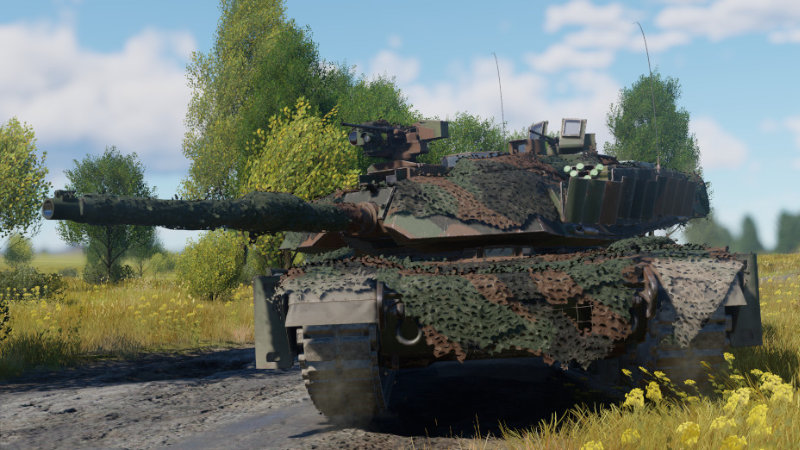
If you have been following the heated community debates regarding the M1A2 SEP V3 hull protection in War Thunder, the developers have finally broken their silence with a technical breakdown of how these values are calculated. Using scale measurements and existing project documentation, the team has provided a clear picture of why the tank’s in-game armor is being adjusted the way it is.
The Evidence for Armor Modification
The primary catalyst for this update is physical evidence: specifically, a new weld seam visible on the frontal armor package of the SEP V3 that is absent on the SEP V2 and earlier models. While there has long been speculation about various methods of armor reinforcement, this seam remains one of the few verifiable indicators that actual work was performed on the vehicle's hull armor.
However, the developers were quick to manage expectations regarding the extent of these upgrades. When analyzing the weight budget of the SEP V3, they found that while the vehicle is heavier than its predecessors, the increase is relatively minimal. Much of that added weight is attributed to reinforced brackets for mine protection, massive tow pintle hooks, and new APU armor rather than just raw frontal steel.
Weight Constraints and Suspension Limits
Adding significant armor to the hull front is not as simple as slapping on more plating. The Abrams design places its armor and fuel tanks far forward, putting immense pressure on the first pair of torsion bars. According to the PC version's development team, adding the multiple tons of weight required to defeat modern kinetic energy penetrators would have critically reduced the service life of the suspension components. Without a total redesign of the entire suspension system—which never occurred—such an increase was logistically impossible.
Consequently, the team concluded that any armor improvements were likely focused on defeating shaped charge (HEAT) threats, which have remained the primary concern for tanks over the last four decades. While this provides a marginal boost against kinetic rounds, it is not the massive upgrade some players might have hoped for.
Universal Armor Improvements
The good news is that the changes are not limited to just the SEP V3. The team is currently performing a wider sweep of the entire Abrams family. They are converting sections of both the hull and turret armor to a volumetric model. This transition is expected to improve survivability across the board, particularly around the upper hull and the turret ring. The developers noted that these specific areas of improvement are more impactful during actual gameplay than changes to the lower front plate.
Ultimately, the M1A2 SEP V3 will see a buff to its hull protection in-game, aligning with the only logical conclusion supported by the weight and geometry data available. It is a measured change, designed to stay within the physical constraints of the vehicle while providing a more accurate representation of its capabilities.