
Why Final Fantasy VII Rebirth and Other Titles Redefine 100 Percent Completion
YouTube "Why Final Fantasy VII Rebirth and Other Titles Redefine 100 Percent Completion")
- Game Examples: Final Fantasy VII Rebirth, Spyro: Year of the Dragon
- Developer/Publisher: Square Enix, Nintendo, Insomniac Games
- Industry Context: 2026 gaming standards for completionist rewards
- Key Metric: Player retention through meaningful post-game content
Titles such as Final Fantasy VII Rebirth and major releases from Square Enix are currently setting new standards for how players perceive 100 percent completion in 2026. While many video games treat full completion as a mere checkbox exercise—often resulting in a simple achievement or a minor digital badge—a select group of developers is shifting the focus toward rewarding player dedication with substantial, tangible content. As reported by In Game News, the industry is seeing a transition where the effort required to collect every item or finish every side quest is met with genuine narrative or mechanical payoff, rather than superficial recognition.
The Evolution of Completionist Rewards in 2026
The question of whether 100 percent completion is worth it in modern games 2026 remains a central topic for the community. Historically, many titles relied on "padding" to inflate playtime, offering little in return for the hours spent hunting collectibles. Today, however, players look for games that offer the best rewards for full completion, prioritizing experiences that respect their time. This shift is particularly evident in large-scale RPGs and platformers where the final 10 percent of progress often unlocks the most memorable moments of the experience.
For those interested in the broader industry trends, our industry analysis provides further context on how developers are adjusting their design philosophies. When a game offers a bonus level or a secret boss fight as a reward for total completion, it transforms the act of collecting from a chore into a curated final chapter. This design choice serves as a "handshake" between the developer and the player, signaling that the time invested has been acknowledged with high-quality content.
Comparing Completionist Incentives Across Genres
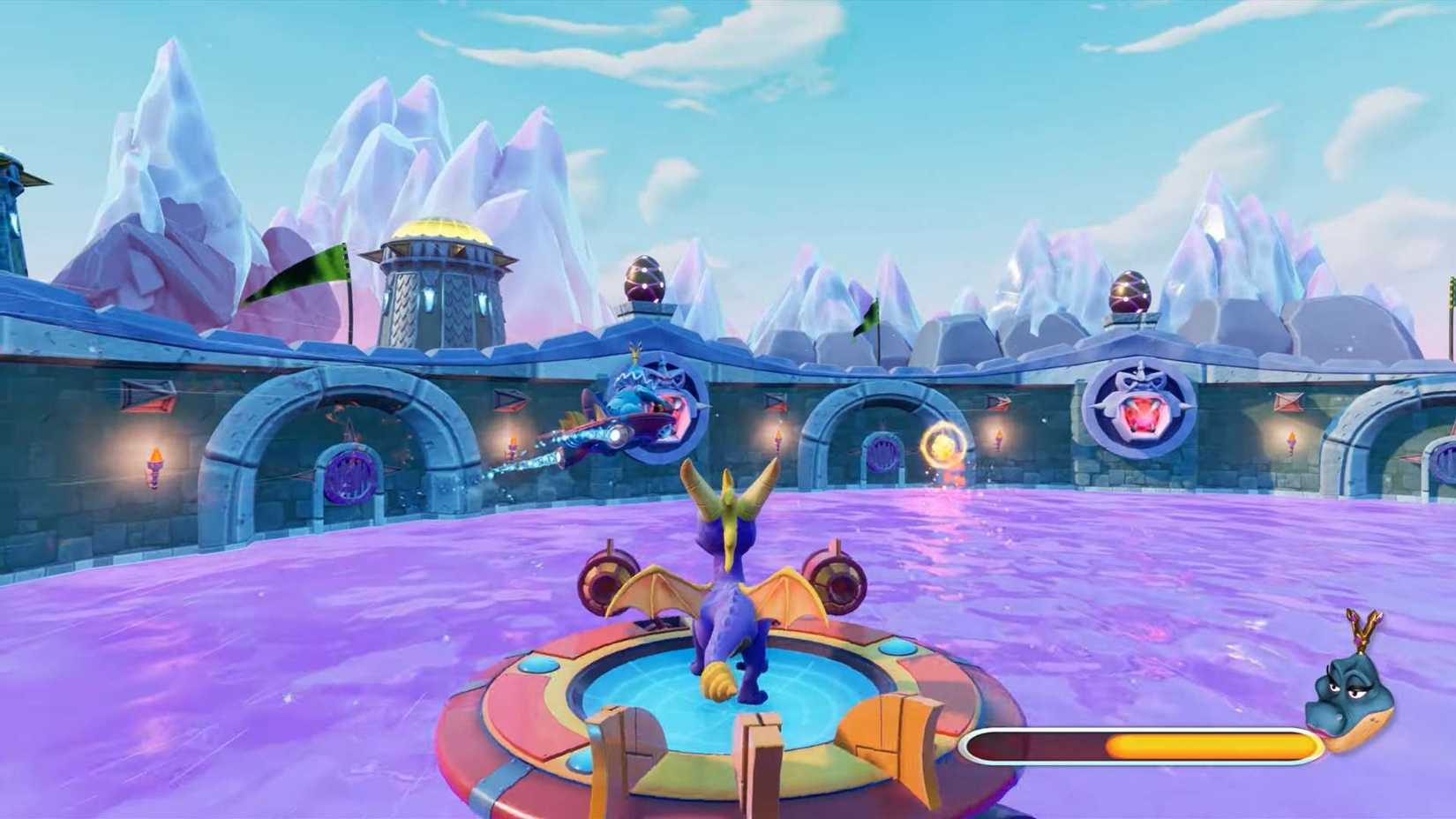
In our coverage of current gaming trends, we have identified that the most satisfying endings are often gated behind total completion. For example, in older classics that remain relevant through modern remasters, such as Spyro: Year of the Dragon, the reward for gathering every item is a dedicated bonus level. This approach ensures that the player feels a sense of closure that is physically present in the game's map, rather than just a notification on a dashboard.
The following table illustrates the different ways developers handle completionist milestones:
| Reward Type | Impact on Player Experience | Examples |
|---|---|---|
| Mechanical | Unlocks new abilities or powerful gear | Final Fantasy series |
| Narrative | Provides secret endings or lore | Story-driven RPGs |
| Content-Based | Access to exclusive levels or bosses | Spyro: Year of the Dragon |
While some titles still rely on cosmetic rewards, the trend is moving toward content-heavy incentives. Players are increasingly vocal about their desire for substance. As we continue our gaming trends reporting, it is clear that the titles which prioritize meaningful rewards see higher long-term engagement.
Why Players Strive for 100 Percent Completion
The motivation behind achieving 100 percent completion in 2026 is multifaceted. Beyond the desire for a sense of accomplishment, players are driven by the search for hidden depth. In massive games like those published by Square Enix, the main quest often only scratches the surface of the world-building. Completing every side task is frequently the only way to uncover the full breadth of the narrative, including character arcs that might otherwise remain unresolved.
Furthermore, the integration of competitive elements, such as those seen in the space occupied by FaZe Clan and broader esports, has influenced how players approach mastery. While single-player games are distinct from the competitive environment of Final Fantasy XIV or professional esports circuits, the drive for optimization remains consistent. Players want to see every corner of the map and master every system, treating the game as a space to be fully conquered.
The Role of Mechanical Mastery
In games that offer the best rewards for full completion, the final challenges often require the player to utilize every mechanic learned throughout the journey. This is why 100 percent completion is often seen as the ultimate test of skill. When a developer hides a secret boss behind a completion requirement, they are effectively asking the player to prove they have mastered the game's combat or platforming systems. This creates a satisfying feedback loop where the reward is not just an item, but the confirmation of the player's own improvement.
The Future of Completionist Content
Looking ahead, the industry is likely to continue refining these systems. As development costs rise, studios are under pressure to provide value that keeps players engaged for longer periods. By tying substantial content to completionist goals, developers can extend the life of their products without resorting to repetitive filler. We anticipate that future titles will continue to lean into this model, ensuring that the "completionist" label carries more weight than it did in previous generations.
For players, this means the landscape of video games with the most rewarding 100 percent completion is expanding. It is no longer just about checking boxes; it is about finding those hidden gems of design that only reveal themselves to the most dedicated participants. Whether it is a secret boss fight or a hidden epilogue, these moments are what define the most memorable gaming experiences of the current year.
Frequently Asked Questions
Is 100 percent completion worth it in modern games 2026?
Yes, 100 percent completion is increasingly worth it when developers provide substantial post-game content or meaningful mechanical rewards rather than just digital trophies.
Why do players strive for 100 percent completion in 2026?
Players pursue full completion to experience hidden narrative conclusions, exclusive boss encounters, and a sense of mastery over the game's systems.
What are the best games to complete 100 percent for satisfying endings?
Titles like Spyro: Year of the Dragon and various Square Enix titles offer significant bonus levels or narrative payoffs that reward the player's dedication.