
Why PS2 JRPGs Like Final Fantasy X Still Feel Like They're Falling Apart
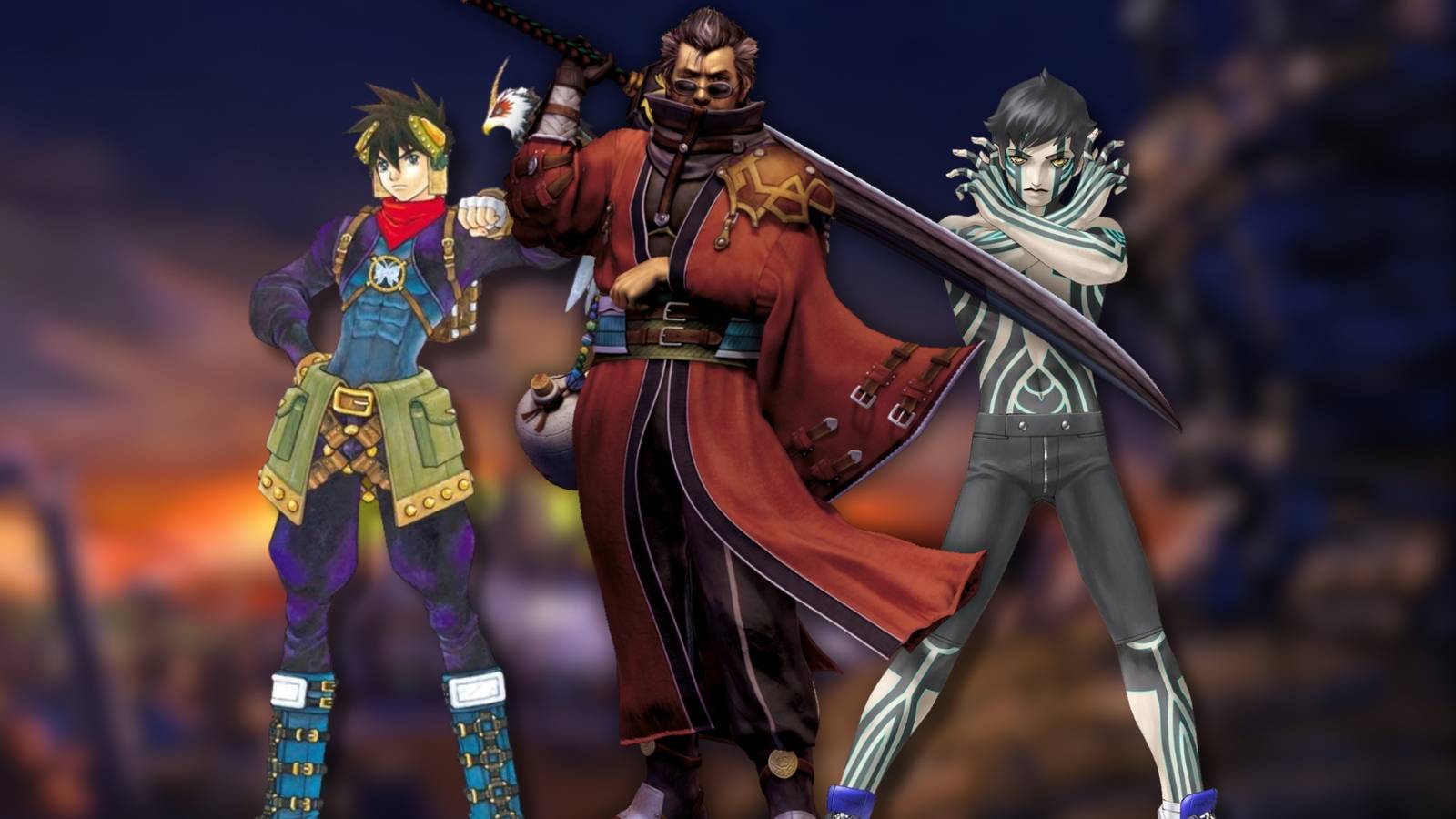
There was something undeniably special about the PS2 era of Japanese role-playing games. While they might not be the most visually polished titles by today’s standards, the era produced a collection of stories that still command attention. One recurring theme across many of these classics is the sense that the world is in a state of near collapse, forcing players to navigate environments that feel like they are coming apart at the seams.
For fans looking to revisit these titles in 2026, it is worth looking at how these narratives built their tension. Whether it is the sun-soaked, deceptive peace of Final Fantasy X or the literal end-of-the-world scenario in Shin Megami Tensei: Nocturne, these games excel at making the player feel the weight of a dying reality.
The Deceptive Beauty of Final Fantasy X
Released on December 17, 2001, Final Fantasy X remains one of the greatest games of all time. It established a standard on the PS2 that arguably remains unmatched in the genre. Players follow Tidus as he is transported from the futuristic city of Zanarkand to Spira, a world that initially seems pristine. That perfection is artificial, maintained by the "Calm," a ten-year cycle of temporary peace before the god-like being Sin returns to destroy everything.
The brilliance of the game lies in how the world reveals itself. The sun-soaked beaches and lush forests hide a society on the verge of ruin, driven not just by Sin, but by the systemic lies of the church of Yevon. As the narrative progresses and these deceptions are brought to light, the society built on that faith begins to crumble, mirroring the tension of the march toward the final confrontation.
Worlds in Decay: From Shadow Hearts to Nocturne
The feeling of an encroaching end is not exclusive to Spira. Other PS2 titles utilized similar atmospheric dread to great effect:
- Shadow Hearts: This underrated gem features a world that descends into hellish atrocities. From demon-possessed villages to cities under terrorist attack, the game’s dark, depressing tone suggests that the world behind closed doors is always one moment away from total collapse.
- Wild Arms 3: Here, the planet itself is a living organism in decay. The vast deserts and dying environments force the player to confront a world losing its ability to support life, with the antagonists' goals acting as a desperate, albeit flawed, attempt to cure a dying planet.
- Grandia 2: While starting as a seemingly perfect world, the story reveals that the ancient evil Valmar was never truly vanquished. When the church’s lies are exposed and pieces of the evil are activated, the world is physically ripped apart, culminating in one of the most chilling final dungeons in the series.
- Rogue Galaxy: Taking the scope to a galactic level, this title features an entity known as Mother that consumes planets at a terrifying pace. It moves beyond a single world falling apart, presenting a threat to existence itself that leaves the player feeling genuinely helpless.
- Breath of Fire: Dragon Quarter: Departing from the colorful journeys of its predecessors, this game traps players in dark, dreary underground tunnels. The journey to the surface is a process of stripping away the world the characters once knew, forcing them to confront the reality of an uninhabitable surface.
- Drakengard: Yoko Taro’s masterpiece offers a disturbing look at a world being ripped apart by biblical "Watchers." By the end of the game, the sky opens up to unleash judgment, resulting in a hellscape that offers no happy endings—only varying shades of ruin.
- Shin Megami Tensei: Nocturne: Starting with the end of the world, this title maintains an oppressive, unstable atmosphere throughout. As players navigate toward the Tower of Kagutsuchi, each area feels increasingly unnatural and unreal, cementing its status as a peak example of dark, apocalyptic storytelling.
These titles prove that even decades later, the PS2 era remains a masterclass in environmental and narrative tension. Whether through systemic corruption or cosmic threats, these games ensure that the world is never just a backdrop—it is a character that is constantly fighting to survive.