
Why Sim Racing Is Replacing Your Favorite Arcade Racers
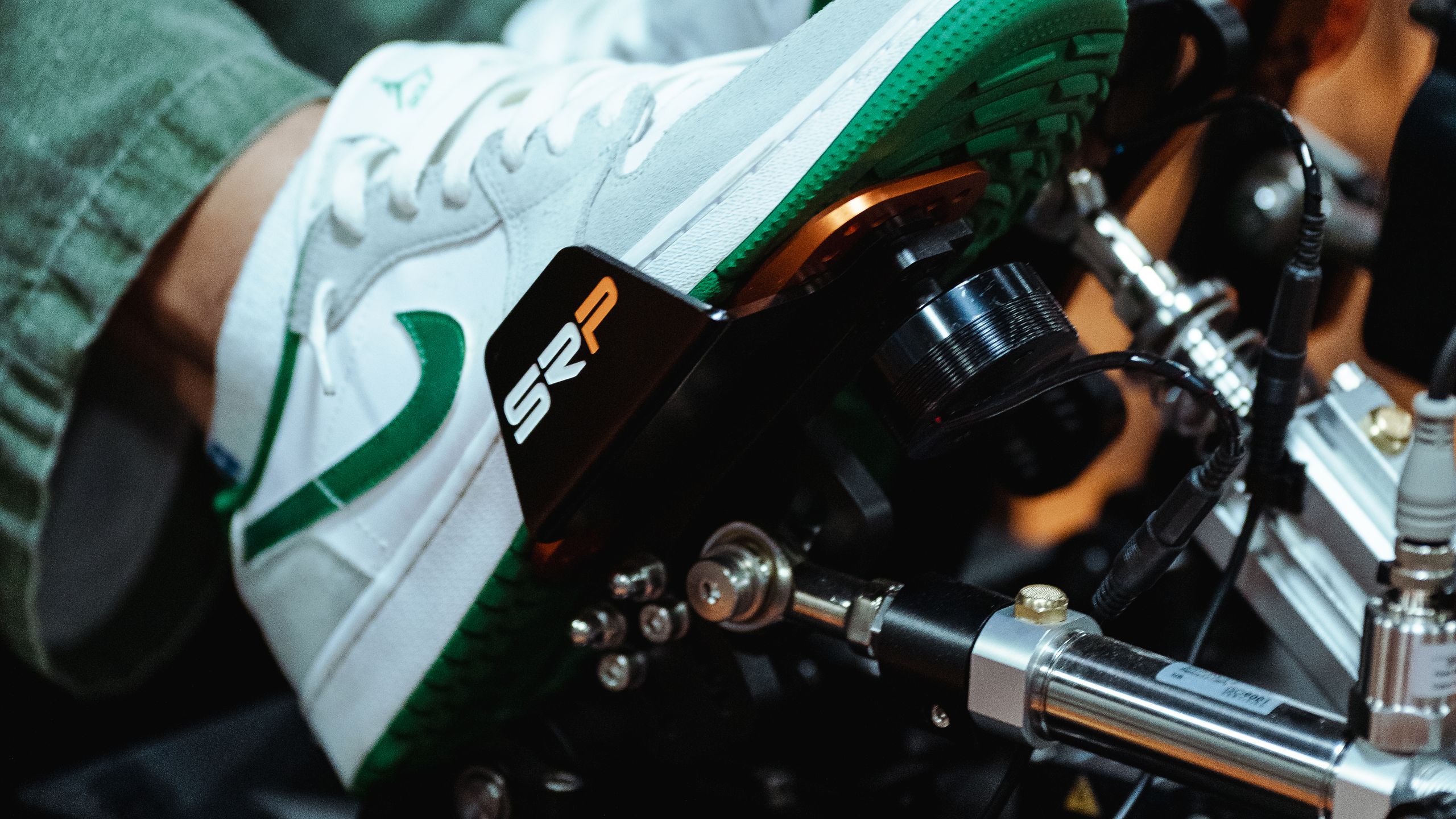
I grew up with Lego Racers on a Gateway PC and spent my formative years slamming a Subaru Impreza into walls in Gran Turismo 2. I am, by all definitions, a car enthusiast. Yet, as I walk through the 2026 SimRacing Expo, I realize the genre that defined my childhood is effectively dead. Mainstream arcade and simcade racers have been systematically pushed out by a singular, dominant force: sim racing.
It is not just a feeling; the numbers back it up. Sim racing player counts have grown by over 1000% in the last 10 years. As Reddit user mido_sama recently noted regarding Forza Horizon 6’s massive sales, the space currently has no real competition. The days of having a dozen arcade racers to choose from—titles like Midnight Club, FlatOut, Twisted Metal, Driver, and Vigilante—are a relic of the PS2 era.
The High Cost of Entry
During the pandemic, I tried to bridge the gap. I spent $300 on a Thrustmaster T150 RS—a significant amount for a casual player. While the force feedback was decent, it wasn't the “real” experience. To get anywhere near a professional feel, you are looking at another $2,000 for haptic seats and high-end rigs. This creates a barrier to entry that makes the hobby feel less like a game and more like a yuppie nightclub activity, appearing in cities from Las Vegas to Madrid.
Even when developers try to bridge the gap, the market leans hard into simulation. Wes Fenlon’s recent preview of Maverick Games’ upcoming Clutch highlighted that it felt a bit too sim-focused to truly challenge the open-world arcade crown. The result is a genre that has become less accessible to the everyman who just wants to hop on the couch with a $10 controller.
Sim Racing as a Motorsports Pipeline
So, why is this happening? At the 2026 SimRacing Expo, the consensus was clear: Drive to Survive. The Netflix documentary has brought new eyes to real-world motorsport, and sim racing is filling the void for those who want to participate. Mark Puc, representing Fanatec, calls the industry the “OG of sim racing.” Puc argues that the correlation between the virtual and the real is increasingly analog.
“There’s a lot of people starting sim racing that are going to end up racing real cars,” Puc told me. The proof is in the stars. YouTubers like Jimmy Broadbent and Steve Alvarez Brown (Super GT) have successfully transitioned from filming in their sheds to competing in professional series like the Nürburgring Langstrecken-Serie. For them, the rig isn't a game controller; it’s a training ground.
Is the Arcade Genre Obsolete?
Perhaps we are mourning the wrong thing. It is possible that arcade racers aren't dying because of the sim industry, but because real-world car culture is in free-fall. With driver's license possession cratering among younger generations, a $1,000 sim rig might not be replacing a $10 game—it might be replacing the dream of owning a $10,000 track-modified Mazda Miata.
While I might never fully embrace the sweat-drenched intensity of a high-end sim rig, I can appreciate the pipeline. I will likely return to my 20-year-old Gran Turismo discs, but I am at least grateful that the virtual world keeps the dream of cruising the Tokyo Expressway alive. In a world where motorsport is becoming one of the few accessible sports to follow, maybe the sim rig is exactly where the next generation of drivers begins.