
Marvel Rivals Developers Address Live Service Risks in 2026
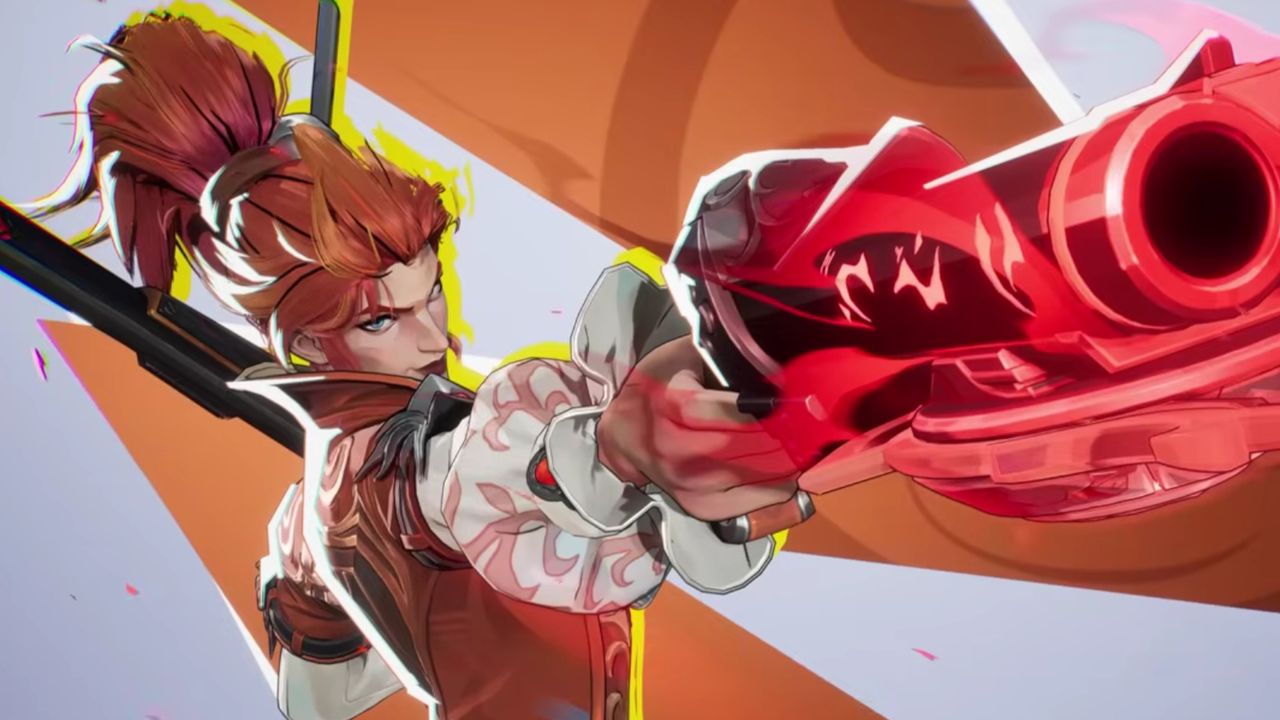
- Game: Marvel Rivals
- Developer: NetEase Games
- Release Date: December 6, 2024
- Platforms: PC, PlayStation 5, Xbox Series S/X
Marvel Rivals, the action-heavy team shooter developed by NetEase Games, has become a focal point for discussions regarding the sustainability of the live service model in 2026. Following the high-profile closure of Highguard, members of the development team have publicly admitted that the volatility of the current market creates a sense of apprehension regarding the long-term future of their own title. As In Game News continues our coverage of the gaming industry, it is clear that the shadow cast by defunct projects is influencing how studios approach player retention and content updates.
The Reality of the Live Service Market in 2026
The gaming industry has seen a significant shift in how titles are supported post-launch. For a game like Marvel Rivals, which relies on a constant flow of updates, skins, and balance patches, the pressure to maintain a consistent player base is immense. The developers recently shared their perspective on the "live service graveyard," a term used to describe the growing list of games that have ceased operations due to declining engagement or financial strain.
When asked about the current state of the industry, the team noted that the closure of Highguard acted as a wake-up call. It reinforced the idea that market presence is not a permanent state. For a major project like Marvel Rivals, which launched on December 6, 2024, the developers are acutely aware that they are not immune to the same market forces that claimed other titles. They have described the feeling of entering this space as one of "panic," acknowledging that despite the strength of the Marvel brand, long-term survival is not guaranteed.
Key Challenges for Modern Live Service Titles
The developers highlighted several factors that contribute to the anxiety surrounding the live service model. These include:
- Market Saturation: The sheer volume of competing titles vying for player time makes it difficult to maintain a stable daily active user count.
- Content Velocity: Players expect frequent updates, which requires significant resources and rapid development cycles.
- Monetization Balance: Finding the right balance between fair monetization and revenue generation is essential to avoid player backlash.
- Community Sentiment: Maintaining a positive relationship with the player base is crucial for long-term health, as negative feedback can accelerate a decline in engagement.
Developer Insights on Market Volatility
In our internal review of the latest statements from the studio, the developers emphasized that the "live service graveyard" is a reality that every team in this genre must confront. The closure of Highguard serves as a tangible example of the risks involved. By observing the failure of others, the team behind Marvel Rivals is attempting to navigate the complexities of player retention with a heightened sense of caution.
This cautious approach is reflected in their development strategy. Rather than assuming success, the team is focusing on data-driven decisions to ensure that every update serves to enhance the experience for existing players while attracting new ones. They understand that, in 2026, the barrier to entry for new players is high, and the cost of losing an existing player is even higher.
For more updates on how studios are adapting to these trends, you can follow our game development reports. The consensus among the team is that success in the live service space requires more than just a strong intellectual property; it requires a persistent commitment to quality and an ability to pivot when the market demands it.
Strategic Planning and Future Outlook
The developers of Marvel Rivals are not ignoring the risks. Instead, they are integrating these concerns into their strategic planning. By acknowledging that their position is not guaranteed, they are prioritizing QoL (quality of life) improvements and meta-balancing to keep the gameplay loop fresh. This proactive stance is designed to mitigate the risks that lead to the "graveyard" scenario.
The team remains committed to the platforms they launched on—PC, PlayStation 5, and Xbox Series S/X. By maintaining parity across these platforms, they hope to foster a unified community that can sustain the game through the challenges of the coming years. The focus remains on delivering a balanced, competitive experience that respects the time and investment of the player base.
Frequently Asked Questions
Below are the most common inquiries regarding the current status and future outlook of Marvel Rivals in light of recent industry shifts.
Why are Marvel Rivals developers worried about live service games?
The developers have expressed concern regarding the high failure rate of live service titles, specifically citing the recent closure of Highguard as a cautionary example of how success is never guaranteed.
Is Marvel Rivals at risk of being shut down?
While the developers acknowledge the volatility of the live service market, they have not indicated any immediate plans for closure and remain focused on maintaining the game's viability.
What did the Marvel Rivals devs say about the Highguard closure?
The team noted that the shutdown of Highguard served as a stark reminder that even with significant investment, the longevity of a live service game is not guaranteed in the current market.