
Diablo 4 Vessel of Hatred Design Philosophy: Blizzard on Endgame Goals
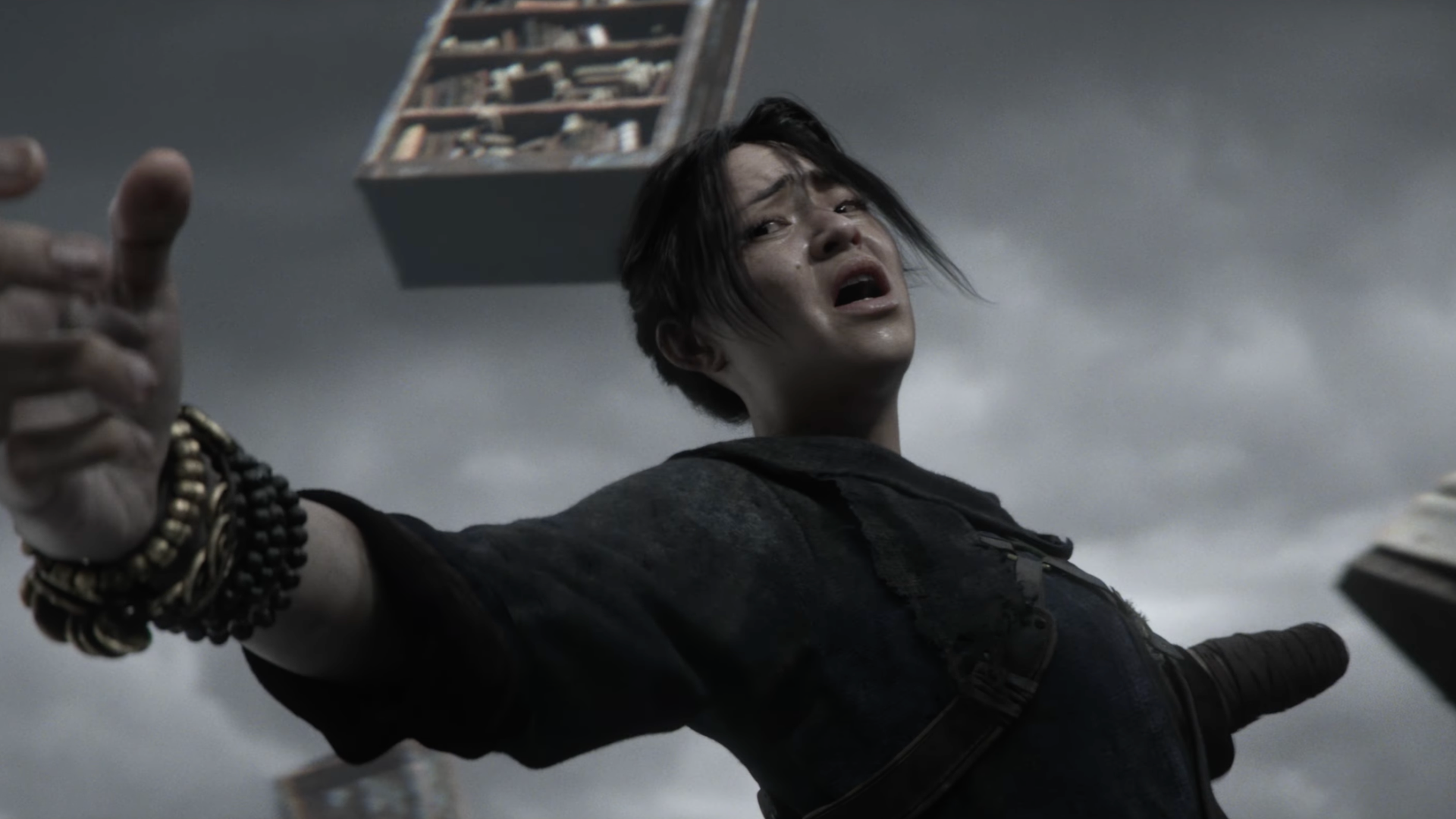
- Game: Diablo IV
- Developer: Blizzard Entertainment
- Expansion: Vessel of Hatred
- Key Philosophy: Player-defined aspirational goals
Diablo 4 continues to evolve under the direction of Blizzard Entertainment, with the recent Vessel of Hatred expansion introducing new design philosophies regarding endgame progression and player agency. Associate game director Zaven Haroutunian recently discussed the studio's approach to balancing high-level challenges with accessible gameplay, ensuring that the experience remains engaging for a diverse player base across PC, PlayStation 5, Xbox Series S/X, and legacy platforms.
Understanding Aspirational Content in Diablo 4
A primary focus for the development team in 2026 is defining what constitutes meaningful progression. During an interview with content creator Rhykker, Haroutunian addressed the concept of aspirational content, noting that while such challenges are necessary for the health of the game, they should not be positioned as the singular, required path to completion. The team aims to avoid a strictly linear progression model where every player is funneled toward the same ultimate encounter.
Haroutunian explained that if a game presents a perfectly straight line toward a final challenge, players naturally expect that every activity leading up to that point must serve as preparation. This creates a design constraint where developers must constantly balance the difficulty of all preceding content to ensure it aligns with the "ultimate" goal. By diversifying the types of activities available, Blizzard seeks to break this cycle, allowing players to engage with the game in ways that suit their individual skill levels and interests.
Zaven Haroutunian and the 2026 Design Philosophy
The design philosophy shift observed in the Vessel of Hatred expansion reflects a desire to move away from rigid, punishing gameplay loops. Haroutunian noted that when developers prioritize extreme difficulty above all else, other aspects of the game suffer because they must be adjusted to serve as stepping stones for that singular outlier. Instead, the focus has shifted toward creating opportunities for players to establish their own personal objectives.
This approach acknowledges that the player base consists of various archetypes, from those seeking the most efficient combat builds to those who prefer secondary activities. For more information on how these updates affect the meta, you can visit our Diablo 4 coverage.
The Role of Non-Combat Activities
One of the most visible changes in the current state of the game is the inclusion of features like the fishing mini-game. While some segments of the community initially questioned the relevance of such additions, Haroutunian highlighted that these features serve a specific purpose: providing varied goals for different player types. By offering activities that do not rely on traditional horde-slaying mechanics, the game accommodates players who may want a break from the standard combat loop.
This egalitarian design strategy is intended to ensure that the game remains healthy by not forcing every feature to appeal to every player. Haroutunian suggests that this variety is what maintains long-term interest, as it allows for a broader range of interactions within the world of Sanctuary. You can track further updates on these features through our Blizzard news hub.
Balancing Endgame Difficulty
Blizzard has acknowledged the challenges of managing public expectations regarding endgame difficulty. When content is found to be significantly harder or easier than intended, the team initiates rebalancing efforts. While these adjustments can sometimes make certain aspects of the game more accessible to players of average skill, they are primarily aimed at maintaining a consistent experience across the various tiers of play.
The following table outlines the key design pillars currently guiding the development of the game:
| Design Pillar | Objective |
|---|---|
| Player Agency | Allowing users to set their own personal goals. |
| Content Variety | Providing activities for different player archetypes. |
| Non-Linearity | Avoiding a single, mandatory path to completion. |
| Rebalancing | Adjusting outliers to keep gameplay consistent. |
The expansion is currently undergoing routine maintenance to address minor technical issues, such as login queue stability and localized bugs, which typically follow large-scale content updates. Despite these initial hurdles, the focus remains on the long-term sustainability of the game’s systems.
Community Reception and Future Outlook
The reception to these design changes has been multifaceted. While hardcore players often focus on the efficiency of their builds and the speed of their progression, the broader community has responded positively to the increased variety of activities. The sentiment that the game should be fun for different reasons to different people appears to align with the current development direction led by Haroutunian and his team.
By moving away from the requirement that every piece of content must serve as a test of skill, Blizzard is attempting to create a more sustainable environment for the community. The decision to integrate large-scale changes within the Vessel of Hatred expansion, rather than relying solely on seasonal resets, indicates a commitment to evolving the core experience of Diablo 4 in a way that respects both the casual and the dedicated player.
Frequently Asked Questions
What is aspirational content in Diablo 4?
Aspirational content refers to challenging, high-level activities designed to provide long-term goals for players, though Blizzard emphasizes it should not be the only way to complete the game.
What did Blizzard say about Diablo 4 endgame difficulty?
Blizzard developers state that they avoid making the entire game a linear path of increasing difficulty to prevent forcing players into a single, mandatory progression route.
Is Diablo 4 adding more casual gameplay features?
Yes, the Vessel of Hatred expansion introduces varied activities like fishing, which allow players to set their own personal goals beyond traditional combat.