
Reggie Fils-Aime on Nintendo Strategy and Avoiding Industry Layoffs in 2026
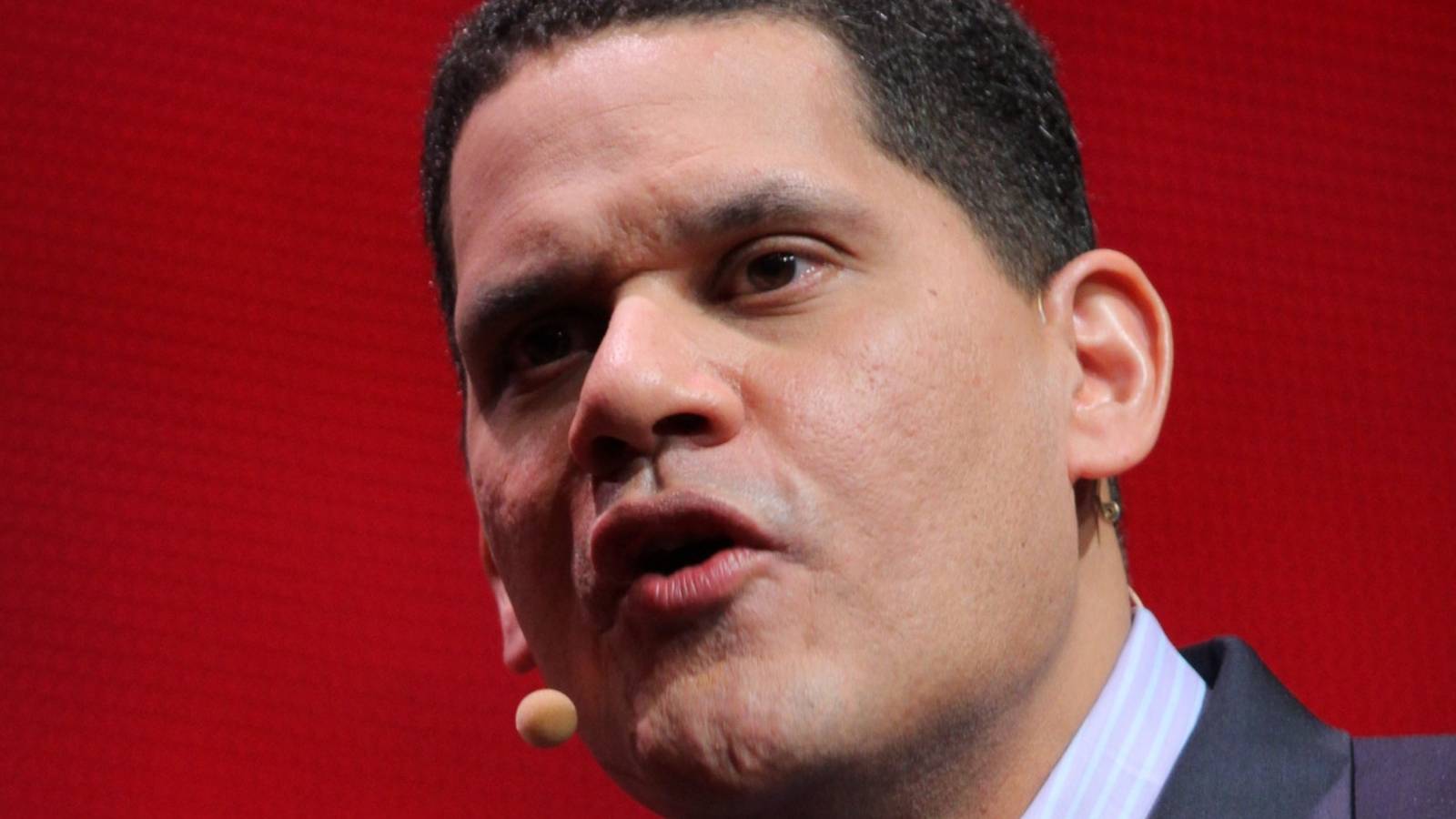
- Topic: Nintendo Business Strategy and Industry Employment
- Speaker: Reggie Fils-Aime
- Key Platforms Mentioned: Nintendo DS, Nintendo Wii, Nintendo Wii U
- Industry Context: Comparison to ROG Ally X, Lenovo Legion Go, and MSI Claw market trends
While modern handhelds like the ROG Ally X, Lenovo Legion Go, and MSI Claw define the current portable hardware market, the industry continues to grapple with the ongoing wave of gaming layoffs and studio closure events. In a recent address at New York University, former Nintendo of America President Reggie Fils-Aime provided a detailed analysis of how Nintendo navigated its own historical challenges without resorting to the mass workforce reductions currently affecting many developers and publishers.
Reggie Fils-Aime Nintendo Strategy Analysis 2026
Fils-Aime’s commentary serves as a retrospective on Nintendo's corporate philosophy. He noted that the company’s internal culture prioritizes long-term stability rather than short-term gains. When discussing the current state of the industry, he explicitly warned students that companies frequently engaging in mass layoffs should be viewed as a red flag for potential employees.
The core of this strategy lies in a conservative approach to human resources. Even during periods of immense financial success, such as the peak of the Nintendo DS and Wii eras, Nintendo leadership intentionally avoided aggressive hiring sprees. By maintaining a controlled growth rate, the company ensured it would not face the necessity of mass eliminations when market trends shifted or hardware sales plateaued.
The Pivot After the Nintendo GameCube Era
To understand Nintendo's current position, one must look at the company's history following the performance of the Nintendo GameCube. While the console maintained a dedicated user base, it struggled to compete with the market dominance of the PlayStation 2 and the original Xbox. This period forced Nintendo to rethink its approach to hardware and software.
The resulting pivot led to the creation of the Nintendo DS and the Nintendo Wii. These platforms were designed to appeal to a broader demographic, moving away from the traditional "hardcore" gaming focus of the GameCube. The success of the Wii, specifically, was driven by the accessibility of titles like Wii Sports, which engaged non-traditional gamers, including older generations and those who had never previously interacted with video game hardware.
The Wii U Experience and Leadership Expectations
Fils-Aime was candid regarding the Nintendo Wii U, a console that failed to replicate the success of its predecessor. He acknowledged that he and the rest of the Nintendo leadership team were genuinely convinced that the dual-screen configuration was the future of gaming. The goal was to provide a "10-foot experience" on the television paired with a "10-inch experience" on the GamePad controller.
Despite the technical vision behind the console, the hardware struggled to find an audience, leading to a period of financial uncertainty for the company. However, even during these difficult years, the company maintained its commitment to its workforce. This stands in contrast to many modern organizations that have utilized layoffs as a primary tool to manage financial underperformance.
Industry Comparison: Hardware and Employment Trends
The current market is crowded with high-performance handhelds, including the ROG Ally X, Lenovo Legion Go, and MSI Claw. These devices represent a different philosophy than the one Nintendo employed during the Wii and DS era. While these modern Windows-based handhelds focus on raw power and PC compatibility, Nintendo’s historical success was rooted in unique hardware identity and software integration.
The following table outlines the contrast between the business models discussed by Fils-Aime and the current market environment:
| Strategy Component | Nintendo Historical Approach | Modern Industry Trend |
|---|---|---|
| Hiring | Conservative/Controlled | Rapid Expansion/Layoffs |
| Hardware Focus | Innovation/Accessibility | Raw Performance/PC Specs |
| Market Stability | High (Avoids mass layoffs) | Volatile (Common layoffs) |
For more insights into industry movements, you can read our industry news coverage or explore our Nintendo analysis archives. As the industry continues to evolve, the distinction between companies that prioritize sustainable growth and those that rely on cyclical hiring and firing remains a central topic for developers and consumers alike.
Frequently Asked Questions
How did Nintendo avoid layoffs according to Reggie Fils-Aime?
Reggie Fils-Aime explained that Nintendo avoided mass layoffs by maintaining a disciplined hiring strategy and refusing to engage in massive hiring sprees during periods of success.
What was Nintendo's business strategy after the GameCube?
Following the struggles of the Nintendo GameCube, Nintendo pivoted its strategy to focus on innovation and accessibility, which led to the development of the Nintendo DS and the Nintendo Wii.
Did Nintendo avoid industry layoffs in 2026?
Yes, Nintendo has historically avoided mass layoffs by prioritizing long-term stability and employee retention over rapid, unsustainable expansion, a philosophy Reggie Fils-Aime emphasized as part of the company's DNA.
Pokémon Pokopia Beginner Guide: Tips for Your 2026 Homestead JourneyAction
Indiana Jones and the Great Circle Switch 2 Performance Targets DetailedAdventure
This Is Fine: Maximum Cope 2026 Release Details and Platform InfoBoxBoy + BoxGirl
BoxBoy + BoxGirl Rated for Nintendo Switch 2 in Taiwan: 2026 Update