
Saros on PlayStation 5: Is It Better Than Returnal? (2026 Analysis)
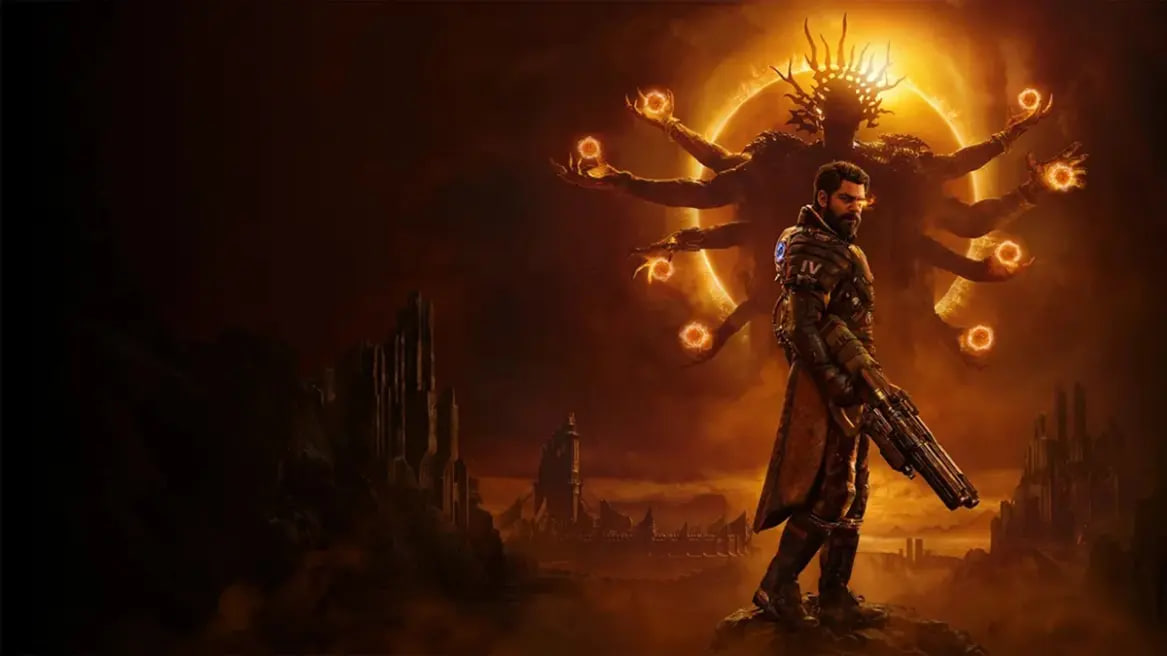
- Game: Saros
- Developer: Housemarque
- Release Date: April 30, 2026
- Platform: PlayStation 5
Saros, the latest title from Housemarque, arrived on PlayStation 5 on April 30, 2026, marking a significant follow-up to the studio's previous hit, Returnal. As players navigate the high-intensity action of this release, the conversation regarding the game’s standing relative to its predecessor has intensified, with many users tracking the countdown to the performance improvements expected from the PS5 Pro and the integration of PSSR technology.
Evolution of the Housemarque Formula
Housemarque, a studio historically recognized for its smaller arcade-style shoot-'em-up experiences, shifted its trajectory significantly with the release of Returnal. Saros represents the studio's second major foray into this specific third-person action genre. By analyzing the structural changes between these two titles, we can identify how the developer has attempted to iterate on its established design philosophy. While Returnal functioned as a cryptic, often opaque experience, Saros moves narrative elements into the foreground, providing a more direct connection between the player and the story beats.
This shift toward accessibility does not mean the game has abandoned its roots. Saros remains a challenging, fast-paced run-and-gun experience that demands high levels of player input and precision. For those following our PlayStation coverage, it is clear that the studio is aiming to balance the brutal difficulty of their previous work with a more structured progression system that rewards consistent play.
Comparative Analysis: Saros vs. Returnal
To understand the current discourse, we must look at how the community perceives the transition from Selene’s journey in Returnal to the new protagonist in Saros. The following breakdown illustrates the current player sentiment regarding gameplay and narrative improvements.
| Comparison Metric | Player Sentiment (Positive/Neutral/Negative) |
|---|---|
| Gameplay Improvement | 53% consider it an improvement |
| Narrative Preference | 25% prefer Saros, 47% prefer Returnal |
| Protagonist Affinity | 64% prefer Selene (Returnal) |
As noted in our gaming news reports, the debate often centers on whether the streamlining of mechanics has stripped away some of the mystery that defined Returnal. While some players appreciate the clearer progression, others argue that the lack of ambiguity reduces the overall impact of the world-building.
Addressing the Sequel Discourse
The reception of Saros shares common threads with other first-party sequels, such as Ghost of Yotei, where the community weighs the benefits of building on a foundation against the desire for a distinct identity. The criticism surrounding the story in Saros has been a focal point of recent discussions. While some players find the more foregrounded narrative beneficial, others have expressed dissatisfaction with the shift in tone. It is important to note that much of the early discourse has been clouded by misinformation, making it difficult to parse genuine mechanical feedback from subjective narrative preferences.
Gameplay Mechanics and Progression
From a technical perspective, Saros refines the core loop of the third-person shooter genre on PlayStation 5. The progression systems have been streamlined to reduce the feeling of aimless collection that some players encountered in Returnal. Instead of relying on breadcrumbs of information, Saros utilizes a more direct approach to player engagement. This is intended to ensure that every successful run feels meaningful, regardless of the outcome.
The Role of Hardware and Performance
With the release of the PS5 Pro on the horizon, players are looking toward PSSR to enhance the visual fidelity and performance of titles like Saros. The game’s reliance on fast-paced, high-intensity action makes it a prime candidate for the benefits of upscaling technology. As the community continues to test the limits of the hardware, we expect further discussions on how these technical upgrades influence the overall feel of the combat.
Community Reception and Poll Data
In our recent poll of 353 players, the results were remarkably split. Approximately 39% of respondents indicated they prefer Saros over Returnal, while 41% stated they still prefer the original title. A significant 20% of the audience remains undecided, suggesting that both games offer unique value propositions that are difficult to rank against one another. When asked specifically about gameplay, 53% of participants agreed that Saros represents an improvement, indicating that while the narrative changes are controversial, the core mechanical loop has largely been received as a step forward.
Regarding the protagonists, Selene from Returnal remains the preferred character for 64% of respondents, compared to 36% for the lead in Saros. This preference likely stems from the deep emotional connection players formed with Selene’s journey during their time with the original title. As the game continues to age, it will be interesting to see if these figures shift as players become more accustomed to the new mechanics and world-building.
Frequently Asked Questions
Is Saros better than Returnal?
Player consensus is divided, with 41% of surveyed users preferring Saros over Returnal, while 41% still favor the original title.
What are the main differences between Saros and Returnal?
Saros features refined core gameplay, streamlined progression systems, and a more foregrounded narrative compared to the vague storytelling found in Returnal.
Is Saros worth playing after Returnal?
Saros is designed as a successor to Returnal, offering a similar brutal run-and-gun experience that builds upon the foundational mechanics established by Housemarque.