
Warhammer 40,000 Accessibility Battle: 2026 Tabletop Challenges Examined
- Game: Warhammer 40,000
- Developer/Publisher: Games Workshop
- Current Edition: 11th Edition
- Primary Barrier: Physical dexterity and motor control
The release date for the 11th edition of the Warhammer 40,000 tabletop game has sparked a massive countdown among fans, yet it has also brought the Accessibility Battle to the forefront of the community's discourse. As players prepare for the pre-load of new rules and codices, many are questioning the physical requirements of the hobby. In 2026, the contrast between digital adaptations and the physical tabletop experience remains stark, highlighting significant gaps for players with disabilities.
Warhammer 40,000 Accessibility Challenges for New Players 2026
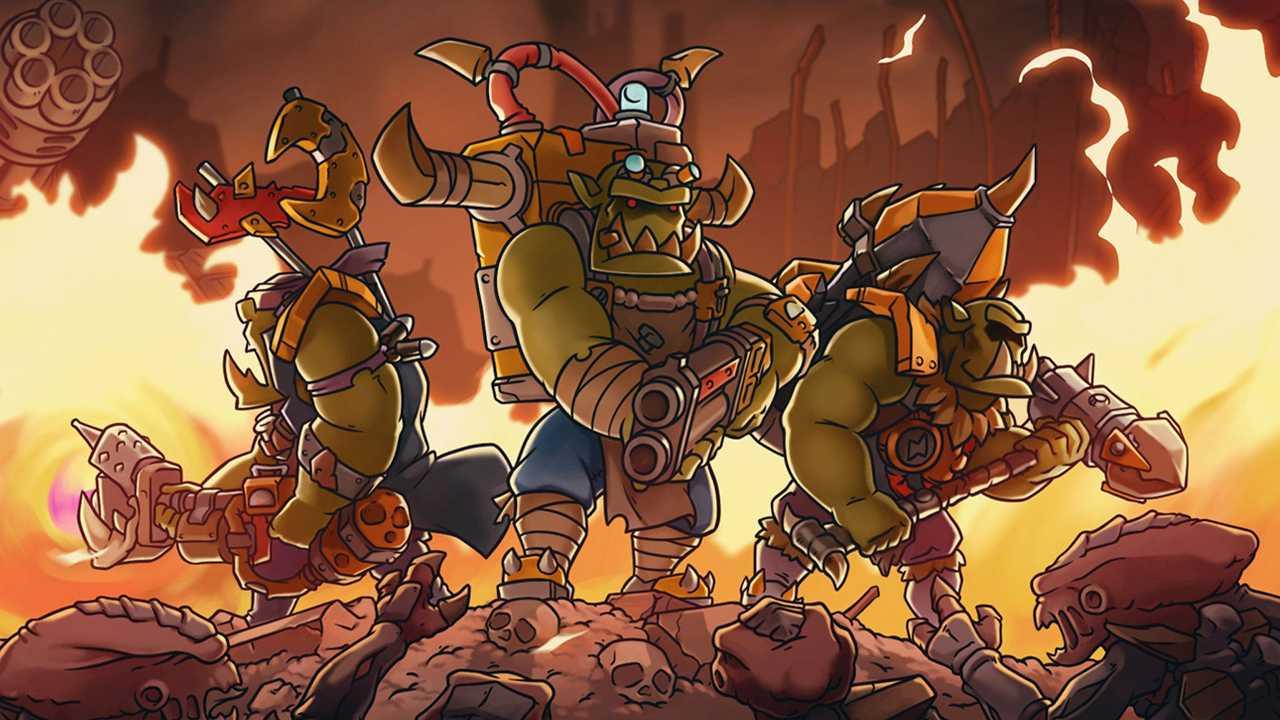
For many, the entry point into the grim dark universe of the 41st millennium has been through digital titles. Games like Warhammer 40,000: Shootas, Blood & Teef, released in 2022, provided an action-oriented experience across platforms including PC, PlayStation 5, and Xbox Series S/X. Unlike the tabletop version, these digital titles allow for customizable control schemes and software-based assistance. The transition from these digital experiences to the physical tabletop hobby reveals a lack of standardized accessibility features that players have come to expect in modern software.
At In Game News, we have monitored the shift in how players engage with the franchise. While digital strategy games like the Total War: Warhammer trilogy offer features such as pausing and unit automation, the tabletop hobby provides no such native accommodations. For a player looking to build an army, such as the Grey Knights, the physical assembly of models presents an immediate hurdle. The requirement for fine motor skills to clip, glue, and paint miniatures creates a barrier that is not present in video games.
Physical Limitations in Tabletop Play
The fundamental mechanics of the 11th edition, much like its predecessors, rely on manual interaction with physical game components. This includes:
- Dice Rolling: The core mechanic for determining outcomes in combat, movement, and psychic phases requires the physical ability to toss dice across a gaming surface.
- Unit Placement: Precise movement of miniatures on a board requires steady hand-eye coordination and the reach to access all areas of the play area.
- Model Assembly: The construction phase demands the use of hobby knives, clippers, and adhesives, which are difficult to manipulate for individuals with limited grip strength or tremors.
These components of the hobby are essential to the gameplay loop. Without the ability to perform these actions independently, a player must rely on an opponent or a third party to participate, which fundamentally changes the experience of the game.
Games Workshop Warhammer 40,000 11th Edition Accessibility Analysis
Our analysis of the 11th edition indicates that while the ruleset has been refined for clarity, the physical accessibility of the game remains largely unchanged from previous iterations. Games Workshop has focused on streamlining gameplay, yet there has been no official rollout of accessibility-focused toolkits or modular, easier-to-assemble model kits designed specifically for players with physical disabilities.
When comparing the tabletop experience to digital titles like Warhammer 40,000: Space Marine 2, the difference in user experience design is significant. Digital titles often include remappable keys, visual aids, and difficulty adjustments that allow for a wider range of players to engage with the content. In contrast, the tabletop hobby relies on the ingenuity of the community to develop custom solutions, such as 3D-printed dice rollers or modified movement trays, rather than providing standardized, accessible options out of the box.
For more on how the industry is addressing these gaps, you can read our accessibility news coverage. We continue to track how developers and publishers handle these concerns as the industry matures.
What Are the Accessibility Barriers in Warhammer 40,000 Model Building
The hobby aspect of Warhammer 40,000 is often cited as a major draw, but it is also the most significant barrier to entry for many. The process of building an army involves:
- Sprue Removal: Using clippers to remove small plastic parts from a frame.
- Cleaning: Using a hobby knife to remove mold lines, which requires significant pressure and precision.
- Assembly: Applying plastic glue to tiny contact points, often requiring a steady hand to ensure parts align correctly.
- Painting: Handling brushes and paint pots, which requires sustained motor control over long periods.
These tasks are time-consuming and physically taxing. For players with chronic pain, fatigue, or limited mobility, these requirements can make the hobby inaccessible without significant assistance. While some third-party companies offer pre-painted or pre-assembled models, these are not the standard for the official Games Workshop ecosystem, and they often come at a premium cost.
How Accessible Is the Warhammer 40,000 Tabletop Hobby in 2026
As we look at the landscape in 2026, the accessibility of the Warhammer 40,000 tabletop hobby is highly dependent on the local community. Because the game is played in person, the burden of accessibility often falls on the local store or the opponent. If a local gaming club is not equipped with accessible tables or if the gaming community is not aware of the needs of disabled players, the game effectively becomes closed to them.
The digital-to-tabletop pipeline is also a point of contention. Many players are introduced to the universe through games like Shootas, Blood & Teef, which are highly accessible. When these players attempt to move into the tabletop space, they are often met with a lack of information regarding how to play with physical limitations. This "accessibility gap" is a topic we discuss frequently in our gaming industry reports.
Ultimately, while the 11th edition brings new rules and models, the physical requirements remain a hurdle. Without a formal initiative from Games Workshop to provide accessible tools or simplified assembly options, the hobby will continue to rely on the community to bridge the gap for players with disabilities.
Frequently Asked Questions
What are the primary accessibility barriers in Warhammer 40,000 model building?
The primary barriers include the physical requirement to assemble and paint small, intricate plastic models, which necessitates fine motor control and dexterity that can be challenging for some players.
How accessible is the Warhammer 40,000 tabletop hobby in 2026?
While digital adaptations like Space Marine 2 offer robust accessibility features, the tabletop hobby remains physically demanding, requiring assistance for tasks like rolling dice, moving units, and model assembly.
Is the Warhammer 40,000 tabletop hobby accessible for beginners?
Beginners may find significant accessibility challenges in the tabletop hobby, specifically regarding the manual dexterity required for assembly and the physical coordination needed to manage game components during play.