
Capcom Producer Discusses the Making of 'Pragmata' and Its Uncanny AI World
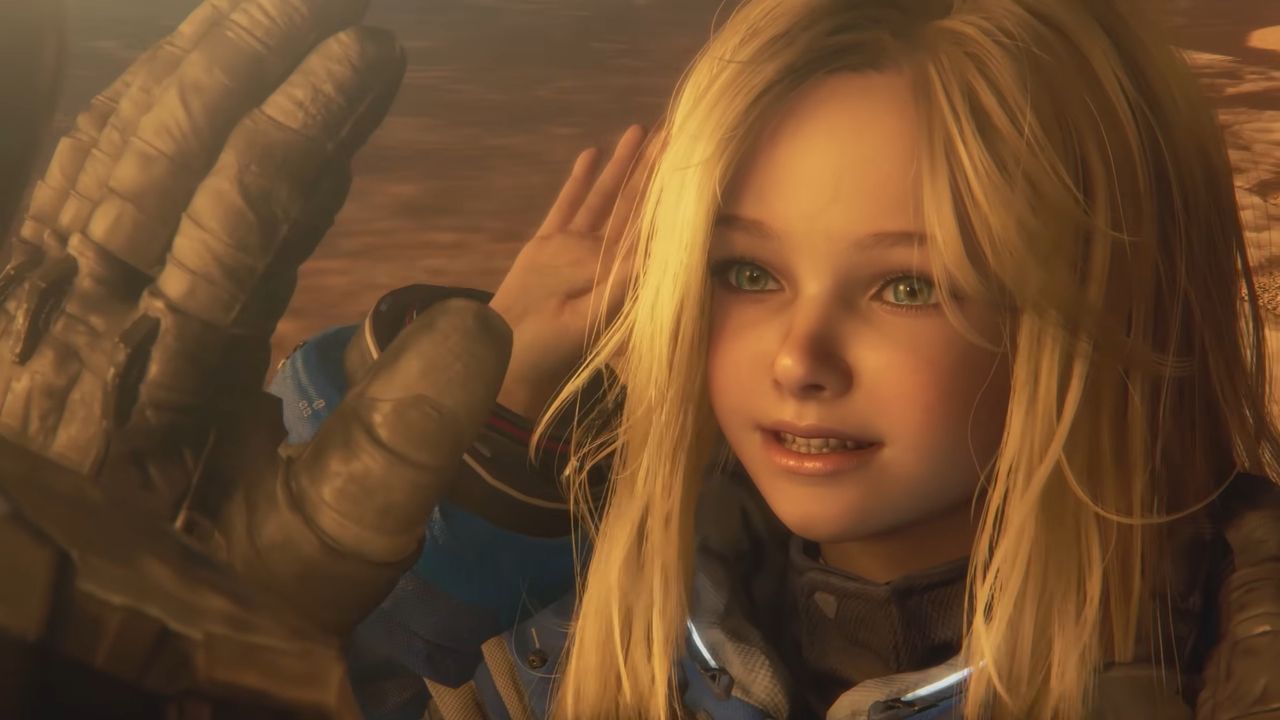
2026 has been a significant year for Capcom. Following the launch of Resident Evil Requiem, the publisher released Pragmata, a third-person shooter set in a lunar facility under siege by a rogue AI. With a "dad-and-daughter" narrative core and a focus on duality—humanity versus machine and shooting versus hacking—the title has garnered a resoundingly positive response from the community.
Following our previous look at the development of this new IP, I reached out to producer Naoto Oyama to discuss how Capcom brought this distinct vision to life.
Designing the 'Uncanny' Lunar Facility
One of the most striking aspects of Pragmata is its environmental design. The space station is constructed to resemble a digital mind attempting to mimic humanity, resulting in environments that feel familiar yet profoundly distorted. In the New York-inspired sector, for instance, buses protrude from walls and taxis phase through floors.
"We aimed to create spaces that felt they could be designed by a near-future AI on the moon," Oyama explains. "These digital spaces contain items which resemble what they look like in the real world, but on closer inspection actually contain oddities."
Despite the game's focus on AI as a core theme, Oyama emphasizes that the uncanny aesthetic was a manual labor of love. "No generative AI was used in the design process—even the most uncanny elements you see in the game are all hand-designed by human artists!"
Balancing 'Hack n Shoot' Mechanics
The combat in Pragmata requires players to manage both shooting and hacking simultaneously. Making this feel intuitive on a controller was a major hurdle for the development team. To avoid overwhelming players, Capcom limited the number of enemies and their approach speeds in the early game, allowing players to acclimate to the dual-input system before introducing more complex encounters.
"Balancing all this was very difficult and took a lot of playtesting and refinement," says Oyama. "As the game progresses and players become more accustomed to the controls, new weapons and actions are unlocked, while the number and strength of enemies change."
A Return to 'Compact' Action
Director Yonghee Cho and other lead staff have previously noted that the game draws inspiration from the Xbox 360 and PS3 era—a comparison Oyama welcomes. Rather than pursuing a massive, dense open world, Pragmata opts for bespoke, tightly designed zones. Each sector introduces specific mechanics, such as new hacking nodes or weapons, that layer onto the player's existing toolkit.
"We know many players from that console era resonate with compact action games which contain engaging gameplay mechanics," Oyama notes. "This sort of design is something players from that era associate with the game."
As for the future of the brand, Capcom remains focused on the present. "We're very grateful for the positive reception from Pragmata," says Oyama. "While we can't talk about future plans, the game has only just been released and we're going to work to get even more players to join Hugh and Diana on their journey."