
Playing Return to Castle Wolfenstein on a Retro Linux PC in 2026
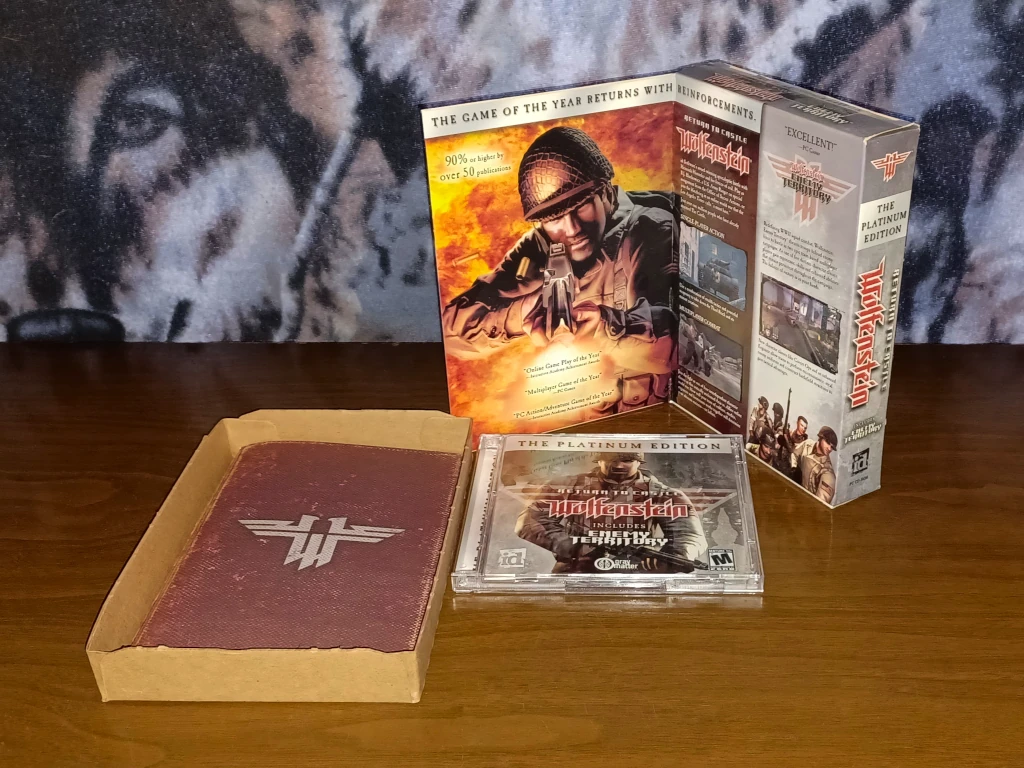
Following the closure of Loki Software, the landscape for commercial Linux gaming looked bleak. However, for id Software—a studio with a deep history on the platform—business continued as usual. Timothée Besset, brought on to handle Linux support for Quake III Arena, eventually picked up the torch left by Dave Taylor and Zoid Kirsch by releasing an unofficial Linux installer for Return to Castle Wolfenstein.
Returning to this title today feels like comfort food, though it is a reminder that even older classics can demand a lot from vintage hardware. Using a Pentium III 500 Katmai paired with an Nvidia GeForce 2 MX 400, the game remains playable, though it requires significant tweaking of the performance settings to avoid major slowdowns during intense scenes. In comparative testing using the multiplayer "Checkpoint" timedemo, the game achieved 24.6 FPS on Red Hat Linux 7.3, nearly mirroring the 24.7 FPS seen on Windows 98 Second Edition.
The Linux Installation Process
Getting the game running requires a bit of manual file management. While the original retail release requires you to pull data files through a Windows installer, owners of the Game of the Year or Platinum Edition can bypass this. Simply copy the .pk3 files from the Setup/Data/Main directory on both CD-ROMs directly into the main folder created by the Linux installer.
During gameplay, the experience isn't entirely flawless. Expect occasional audio skipping, weapon animation glitches, and the rare crash to desktop. The dynamic music can also be temperamental, occasionally triggering action cues during stealth sequences, which undermines the intended atmosphere.
Gameplay and Design Legacy
Return to Castle Wolfenstein was a trendsetter for the World War II shooter boom that followed, largely thanks to the id Tech 3 engine. The campaign is tightly choreographed and surprisingly short, allowing players to finish it in a few sittings even on the highest difficulty. While the stealth segments often feel like a forced addition to fit the era's zeitgeist, the core gunplay remains excellent—the Paratrooper rifle, in particular, stands out as one of the most satisfying weapons in the genre.
Despite the technical polish, some design quirks persist. It is still jarring to see Nazi soldiers prioritize the player even while they are being actively slaughtered by the undead in the crypts. Yet, the game’s willingness to embrace its own absurdity—from the exaggerated accents to the theatrical SS She Wolves—gives it a distinct voice that remains entertaining to revisit, even on a retro Linux gaming computer nearly 25 years after its initial release.