
Unreal Engine 6 Announced: Epic Games Reveals 2027 Roadmap
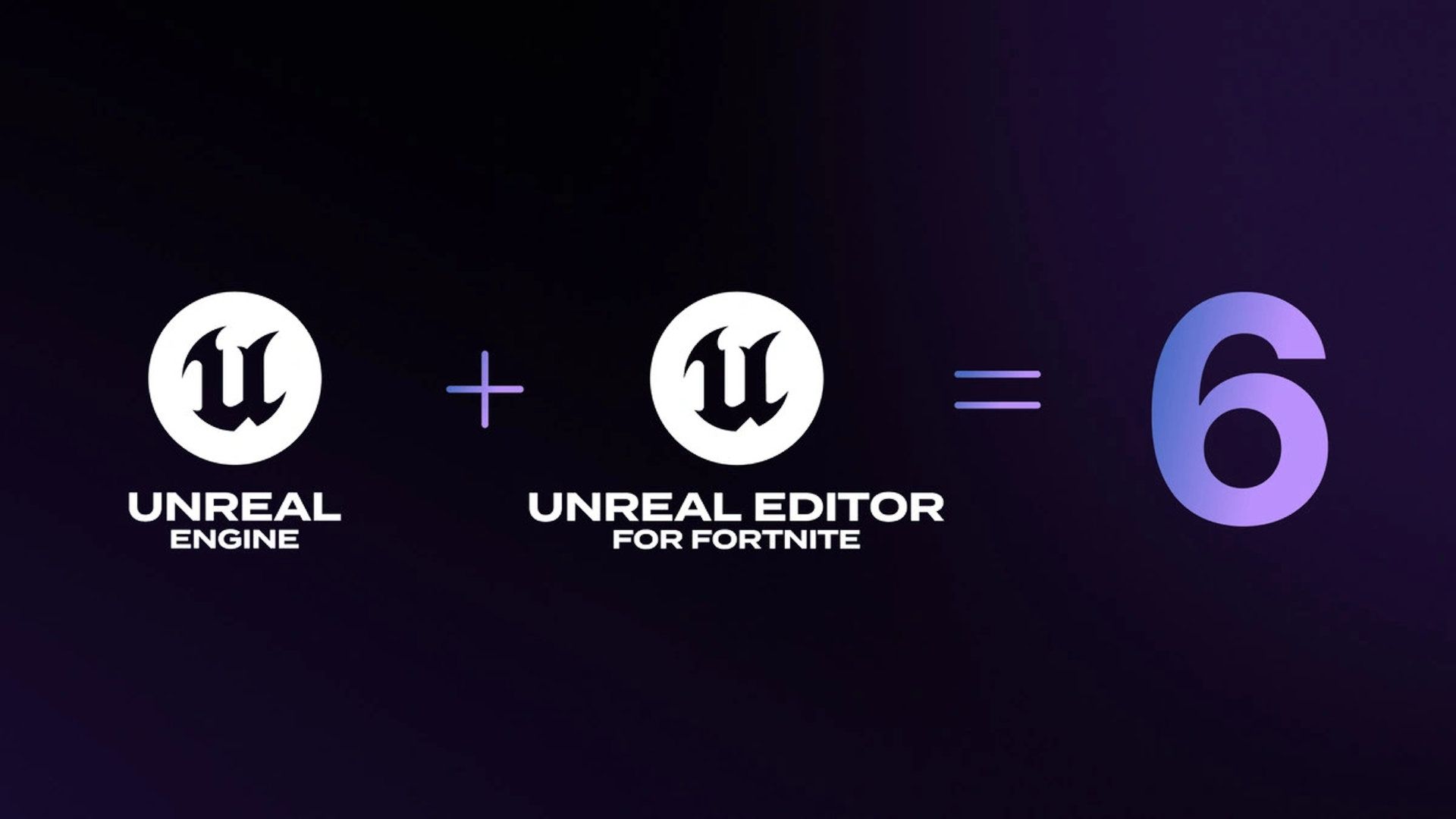
Six years after the initial launch of Unreal Engine 5, Epic Games has pulled back the curtain on its next major evolution. During today's State of Unreal event in Chicago, the company revealed that the development of Unreal Engine 6 is heavily informed by the success and accessibility of Fortnite and the Unreal Editor for Fortnite (UEFN).
- Engine Name: Unreal Engine 6
- Release Window: Early Access expected at the end of 2027
- Core Integration: Merger of standard Unreal Engine and UEFN
- Programming Language: Shift toward Verse, with C++ support maintained
Merging UEFN and Unreal Engine
The core philosophy behind UE6 is the unification of Epic's existing tools. Tim Sweeney described the upcoming release as "UE 5 plus UEFN equals UE 6, plus some more cool stuff on the way." By merging the standard engine with UEFN—a simplified, highly accessible toolset that allows users to create functional game modes in a single day—Epic aims to enable developers to build content that can be shipped across every possible platform and store simultaneously, including inside Fortnite itself.
This unification extends to the integration of various Epic technologies, such as MetaHumans, under a single, cohesive framework. While Fortnite has been the testing ground for this usability, Epic has noted that the first showcase for the capabilities of Unreal Engine 6 will be Rocket League. A preview of this transition was recently shown at the Paris Major event of the RL Championship Series.
Technical Shifts: Verse and Scene Graph
Unreal Engine 6 will introduce significant changes to the way gameplay is programmed. The current framework used in UE5 is set to be replaced by a new "Scene Graph," which is built entirely on Verse. This scripting language will become the primary model for gameplay programming. For developers, this introduces a distributed software transactional memory system, allowing code to be written as if it were running on a single machine, removing the need for complex, manual networking coordination.
Furthermore, Epic is moving toward open standards for tools and code. While the company acknowledged that this transition cannot happen overnight, the goal is to streamline the path for developers to distribute content across both Epic's ecosystem and external platforms.
The Role of AI
Artificial Intelligence is also slated to play a larger role in the engine's development. Following the release of the MCP server plugin in UE5.8, developers will be able to integrate preferred Large Language Models (LLMs) into their workflow. These tools are designed to assist with tasks ranging from code refactoring to generating complex 3D scenes that creators can then refine manually.
While Epic has not yet confirmed specific changes to existing features like Lumen, the path forward is clear: the focus is on creating an engine that is more accessible and faster for developers to produce high-quality content. With the early access release targeted for late 2027, the industry now has a clear timeline for the next generation of Unreal development.
Assassin's Creed: Black Flag Resynced Achievements Won't Be MissableAdventure
Prologue: Go Wayback! Halts Development and Moves to Free-to-PlayAction
Dispatch's Free 'HR Violations' DLC Fixes Most Switch CensorshipHandheld Gaming
Kemco’s RPG Strategy: Constant Releases and Xbox Play Anywhere Support