
When Games Were Rebranded: From Dragon Ball to Super Mario Bros. 2
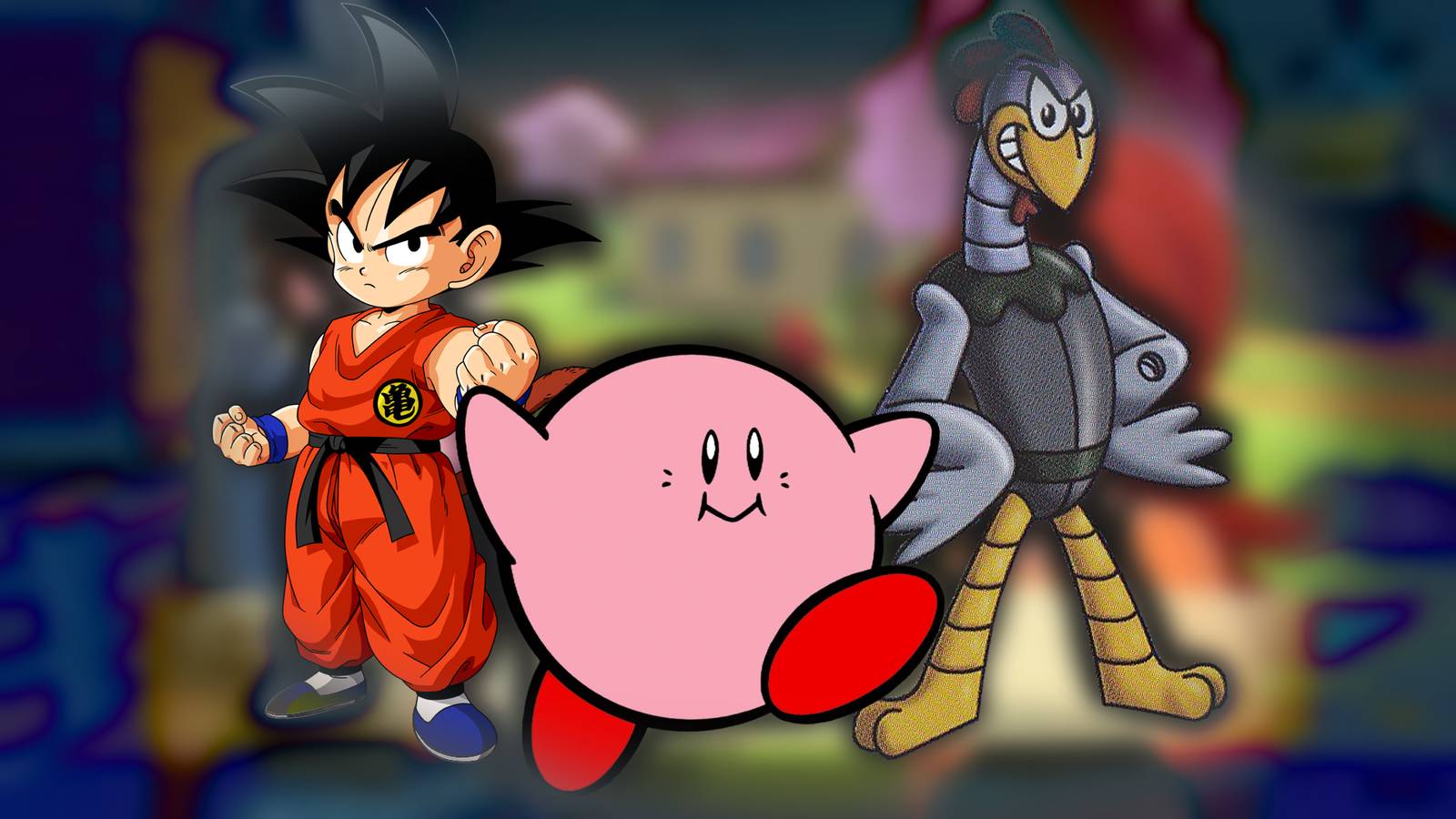
Before the internet bridged cultural gaps, the gaming industry was a different landscape. American branches of companies like Sega and Nintendo often acted as gatekeepers, deciding which elements of Japanese culture reached Western players. In many cases, these localization efforts went beyond translation, resulting in games being completely rebranded or reskinned to better suit local markets.
Among these curious titles is Dragon Ball: Shenron's Mystery on the NES. While modern fans are accustomed to titles like Dragon Ball FighterZ, this older, quaint adventure follows Goku’s journey up to his first encounter with the dragon Shenron. It serves as a reminder of how early anime-based titles were often adjusted to fit foreign shelves.
Rebranding for Marketability
Licensing issues and market expectations often forced publishers to pivot. For instance, the Fist of the North Star title was transformed into Last Battle: Legend of the Final Hero in 1989. Similarly, the industry saw strange occurrences like Barver Battle Saga: Tai Kong Zhan Shi being sold as Final Fantasy in Russia. This version, dubbed Final Fantasy X without the numeral, suffered from a translation quality that many suspect was machine-generated.
Perhaps the most infamous example of a reskin remains Super Mario Bros. 2. While many know it was adapted from Doki Doki Panic, the reasoning was simple: Nintendo of America believed the true sequel—eventually released abroad as Super Mario Bros.: The Lost Levels—was simply too hard for players. Rather than ship a game that might frustrate the audience, they opted for a complete mechanical overhaul.
Unexpected Name Changes
Sometimes, the trouble wasn't the content, but the branding. Nintendo’s Panel de Pon was rebranded as Tetris Attack in the West. While the game itself was a well-received, relaxing puzzle experience, the inclusion of the Tetris name—licensed by The Tetris Company—led to customer confusion and poor sales, a decision the company has since expressed regret over.
Other times, the disconnect was born from target demographics. The South Park title developed for the Game Boy Color in 1998 is a prime example. Despite the game being fully finished and ready for distribution, the show's creators intervened at the final moment, realizing that the handheld console was intended for children and that South Park was not an appropriate property for that audience.
Whether it was the farming simulation roots of Harvest Moon, which saw its own localization complexities when Marvelous Inc. moved away from Natsume Inc., or the SaGa series being sold as The Final Fantasy Legend on the Game Boy, these shifts highlight a period when the identity of a game was often secondary to the needs of the publisher.