
Why the 3DS Version of Ocarina of Time Remains the Definitive Experience
By Jade King, Lead Features Editor. Published Jun 19, 2026.
The Legend of Zelda: Ocarina of Time was the first time many of us felt a true sense of adventure. It dropped players into a world of immense variety and mystery, offering a scale that was almost unheard of outside of dedicated RPGs at the time. Nintendo changed the medium forever with this title, and for years, it has felt like we are constantly trying to recapture that specific feeling.
With a new remake currently in the works, players are understandably cautious. There is a lingering anxiety that this new project might simply exist as a product rather than capturing the soul of the original masterpiece. It leads many to look back at 2011, when Nintendo first brought the classic back to life for the Nintendo 3DS.
Refining a Masterpiece on the 3DS
The early days of the Nintendo 3DS were difficult, hampered by a high price point and a lack of software. However, Ocarina of Time 3D—developed by Grezzo and Nintendo—became one of the system's earliest successes. It proved that a handheld could house console-quality experiences while enhancing the source material in ways that utilized the hardware effectively.
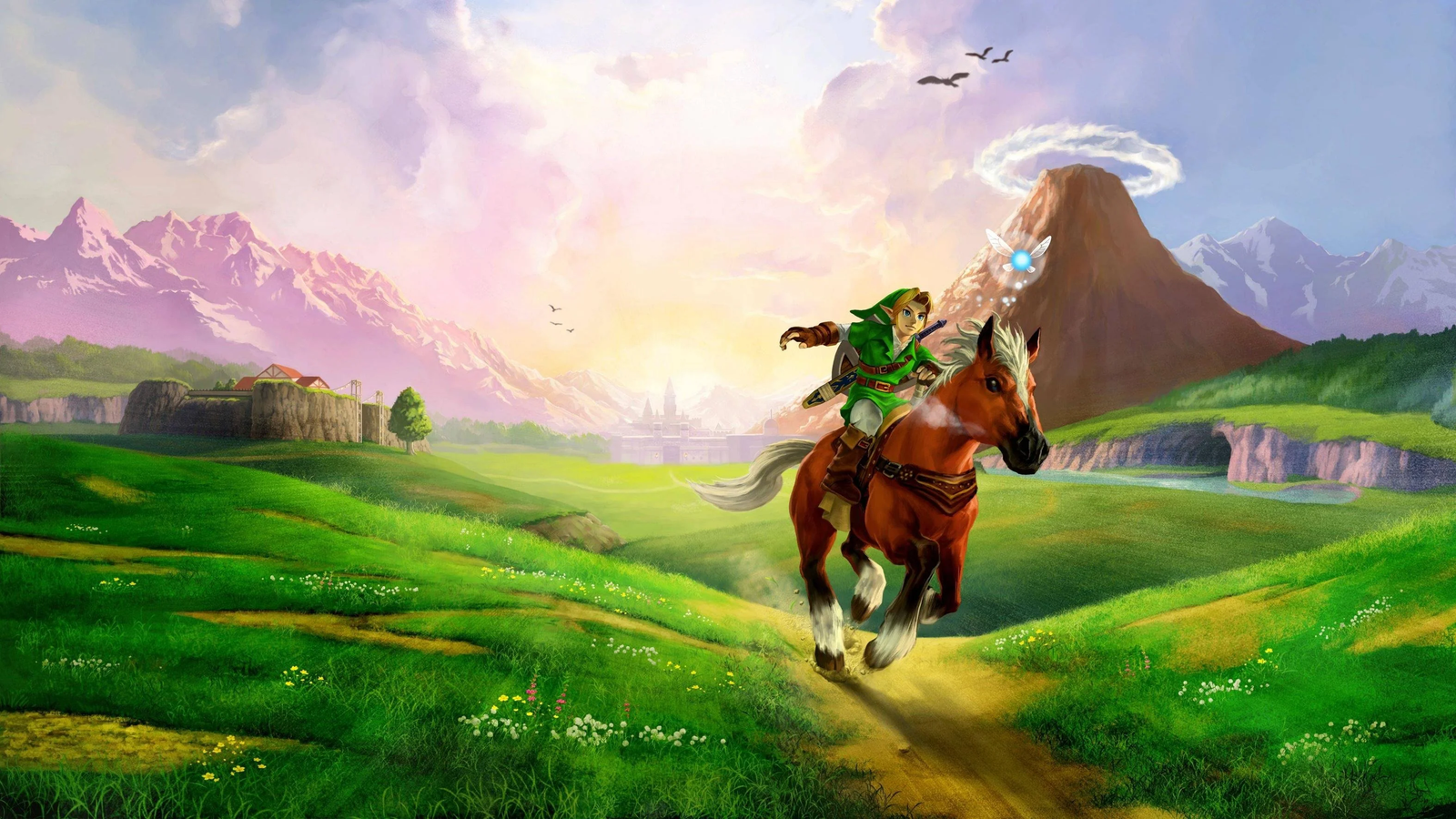
Much like the Final Fantasy 7 Remake, this remaster felt like an opportunity for Nintendo to realize its original creative vision. The character models and environments finally matched the concept art and packaging that we obsessed over as kids. It was classic Zelda, but it looked and played better than ever.
The most significant improvements came from the hardware itself. The original N64 version, while innovative for its Z-targeting and third-person controls, was often frustrating to play. Navigating menus to swap items or fighting with the camera were constant hurdles. The 3DS hardware solved this through its second screen. By offloading map management and equipment changes to the touch screen, the experience became seamless. Infamous areas like the Water Temple transformed from exercises in frustration into approachable, enjoyable dungeons.
Why the 3DS Version Still Matters in 2026
The 3DS remaster didn't rely on massive amounts of new content to shine. It included a Boss Challenge mode and the Master Quest version, but its primary success lay in its quality-of-life updates and visual polish. Nintendo treated the game as a masterpiece that had aged like fine wine, choosing to refine rather than reinvent.
Today, the 3DS version remains the definitive way to play. It offers more than the N64 original ever did, and it still holds up visually. Given that second-hand 3DS prices are becoming increasingly prohibitive for collectors, it is a shame the game isn't more accessible. A port to the Nintendo Switch—perhaps bundled with the equally impressive 3DS version of Majora’s Mask—would feel right at home.
Incorporating dual-screen elements into a single-screen experience would require some effort, but it is certainly achievable. Until Nintendo decides to make that move, or until the new remake proves its worth, the 3DS remaster stands as a testament to how a classic should be handled: with care, respect, and a focus on removing barriers between the player and the adventure.