
Why The Elder Scrolls V: Skyrim Still Defines Open-World Roleplaying
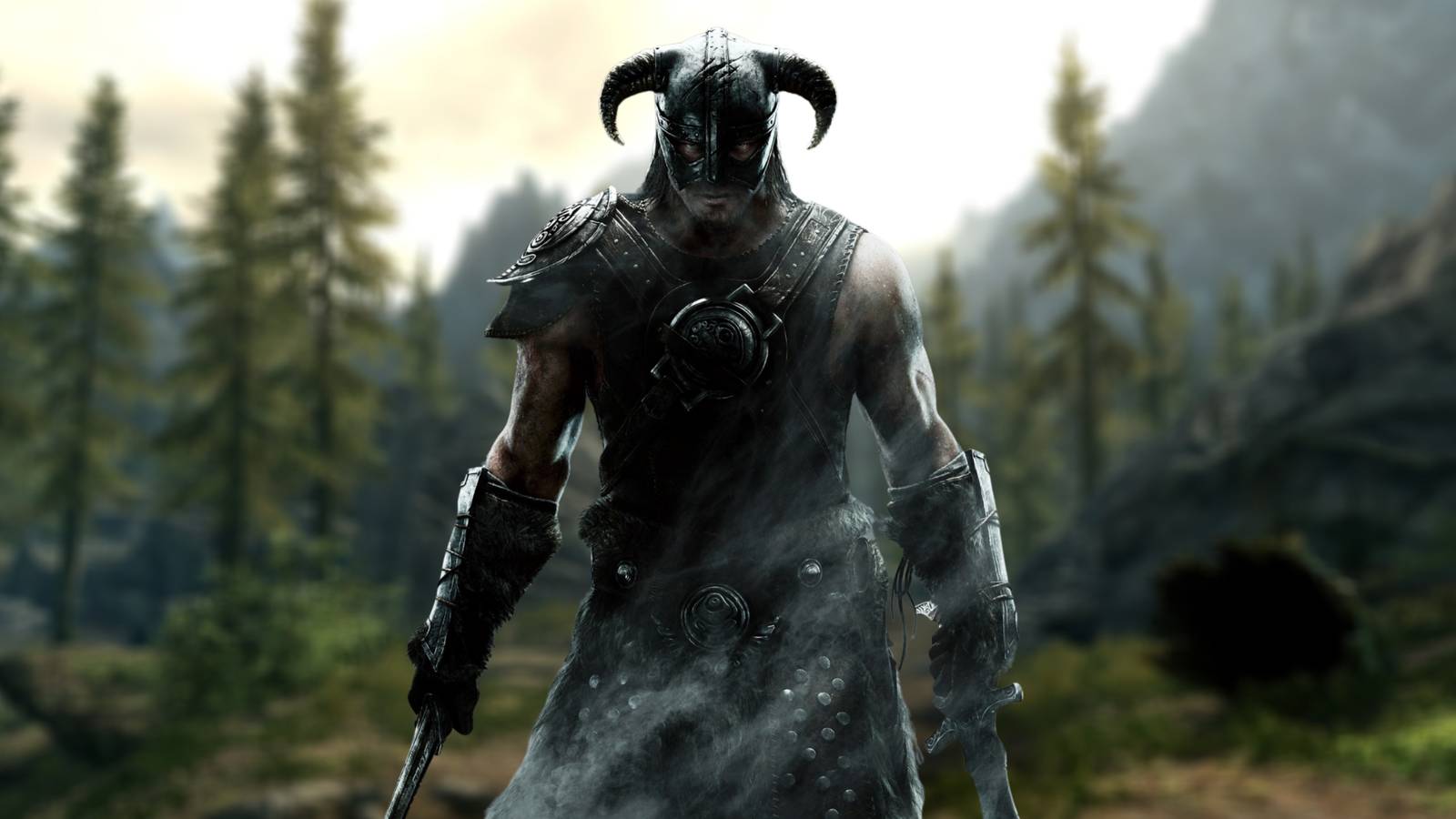
When The Elder Scrolls V: Skyrim arrived in 2011, it hit the gaming landscape at exactly the right moment. By offering a massive open-world RPG with a level of realism and graphical fidelity that had previously kept some players away from the genre, it quickly cemented its status as one of the biggest games of all time. Even in 2026, the Bethesda title remains a benchmark for how to build a world that feels both persistent and personal.
Immersive Mechanics Over Rigid Classes
Much of what keeps players returning to Skyrim is how naturally its RPG mechanics are integrated. You are not forced into a specific role or class from the start. In fact, many players spend dozens of hours living as a normal citizen—hunting, buying property in Falkreath, or getting married—before ever stumbling upon the main quest.
This freedom is supported by a “learn by doing” skill system. Rather than forcing players to assign points into arbitrary categories, Skyrim improves your skills based on your actual actions. This allows for fluid character growth where a player can easily juggle being a master blacksmith, a mage, and a skilled lockpicker simultaneously. Your skills are informed by your character’s journey, not the other way around.
The World Reacts to Your Choices
The game’s depth extends to its dynamic crime and faction systems. If you commit a crime, bounties are tracked by the specific Hold where the incident occurred, allowing you to be a wanted criminal in the Reach while walking free in Falkreath. This makes each Hold feel like a distinct, living place.
Furthermore, the game tracks your social footprint. Guards will take note of your actions, commenting on your status as a werewolf or a vampire. While they may not acknowledge the grand scale of your victory over Alduin, these ambient comments make the world feel reactive to your presence. You can also join any faction you choose; whether you pledge your soul to a Daedric Prince or join the Thieves Guild, the game places no restrictions on your ability to participate in multiple groups.
Roleplaying Through Daily Life
For those looking to immerse themselves in the world, the game offers grounded, practical mechanics that encourage a slower pace of play. Sleeping in a tavern, such as the Bannered Mare in Whiterun, provides gameplay bonuses while allowing you to build relationships with local characters. When you eventually acquire a home, it serves a critical role beyond aesthetics: it provides permanent storage for your gear, preventing unique items from disappearing during world resets.
Players can also use Smithing and Enchanting to weave a personal history into their equipment. Instead of constantly replacing gear, you can take a weapon that has sentimental value and improve it at a forge, ensuring your favorite blade stays viable as you grow more powerful. Combined with the deep, often bizarre lore found within the game's expansive library of books, Skyrim remains a title that asks nothing of the player, instead offering a world to discover at your own pace.