
Why The Witcher 4 Needs to Bring Back The Witcher 2's Branching Choices
With the gaming community looking toward The Witcher 4, the conversation is shifting toward what lessons CD Projekt Red should carry forward from its previous titles. While The Witcher 3: Wild Hunt remains a landmark achievement for its massive scope and detailed world, there is a growing sentiment that the series should look back at the narrative design of its predecessor, The Witcher 2: Assassins of Kings, to refine its player choice mechanics.
The Case for Meaningful Consequences
In The Witcher 3, player agency is largely confined to personal story beats, such as romantic entanglements with Yennefer or Triss, or the outcomes of specific side quests like those involving Keira Metz. While these moments are engaging, they rarely shift the political landscape or the fundamental structure of the game's broader narrative. The impact is often limited to the protagonist's journey rather than the world at large.
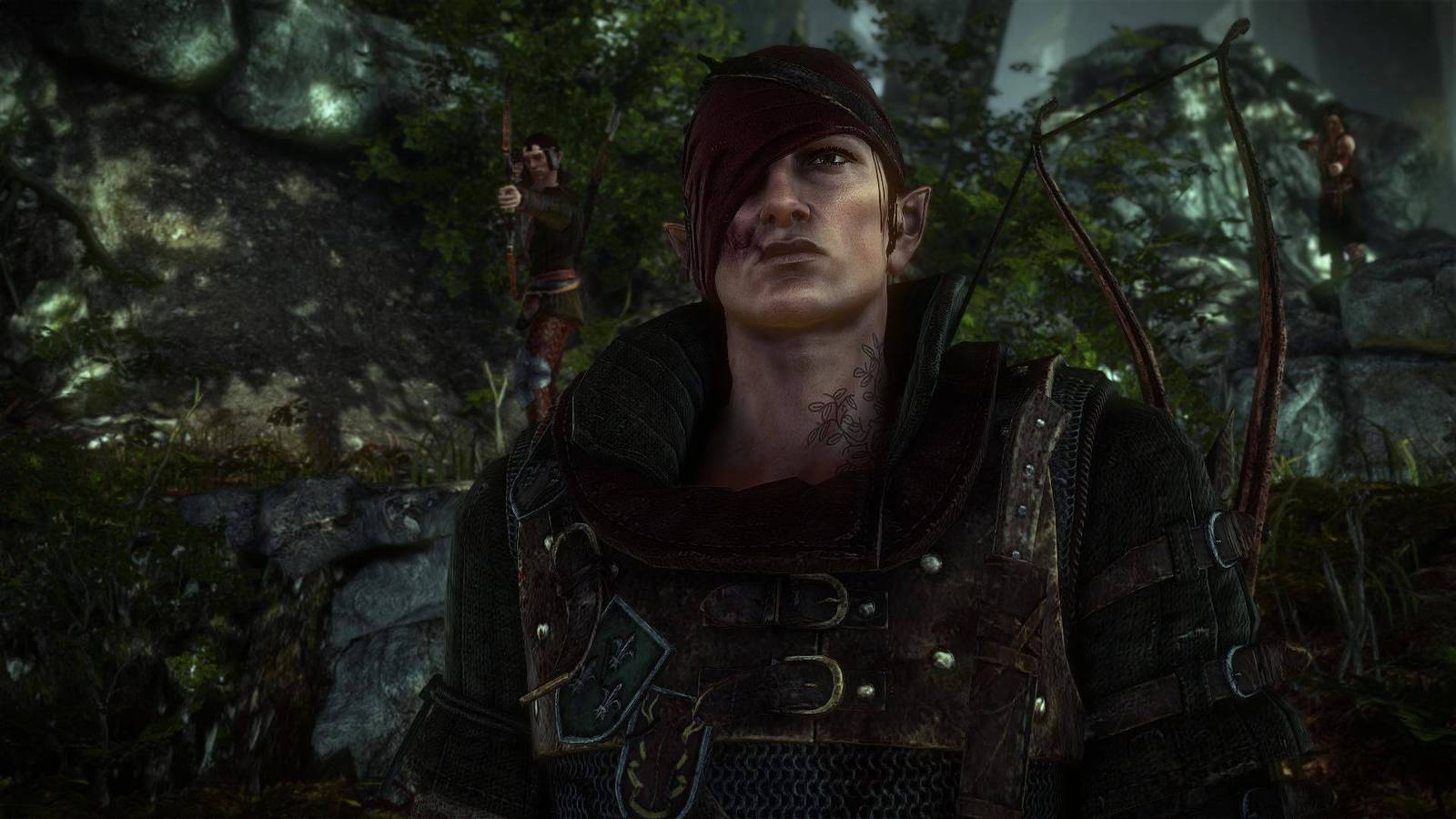
By contrast, The Witcher 2 utilized a structure where early decisions created drastic, permanent changes to the player's path. A prime example is the choice in the first act to side with either Iorveth or Roche. This decision dictated which areas the player would visit, which characters they would encounter, and which unique questlines they would experience. It essentially forced a replay to see the full scope of the narrative, ensuring that player choices felt heavy and consequential.
Balancing Scale and Agency
The challenge for The Witcher 4 is balancing the vast, open-world ambition of the third game with the depth of choice found in the second. Modern audiences may find a game that gates large portions of content behind binary choices to be daunting, especially in an era of triple-digit playtimes. However, recent titles like Baldur's Gate 3 have shown that it is possible to offer significant narrative consequences without necessarily locking players out of core content.
The goal is a middle ground: choices that impact the world and the ongoing political conflicts of the region, rather than just the immediate fate of a single character. As CD Projekt Red continues development, the success of the 2.0 update and the Phantom Liberty expansion for Cyberpunk 2077 suggests the studio has the capability to iterate on these systems effectively.
For those eager to see how the developer handles legacy content, all eyes are on the upcoming Songs of the Past DLC for The Witcher 3. Whether that expansion acts as a testing ground for these more complex, branching narratives remains to be seen, but it will certainly be an indicator of what fans can expect when the new saga officially begins.