
Final Fantasy VII Rebirth and the Evolution of Narrative in 2026
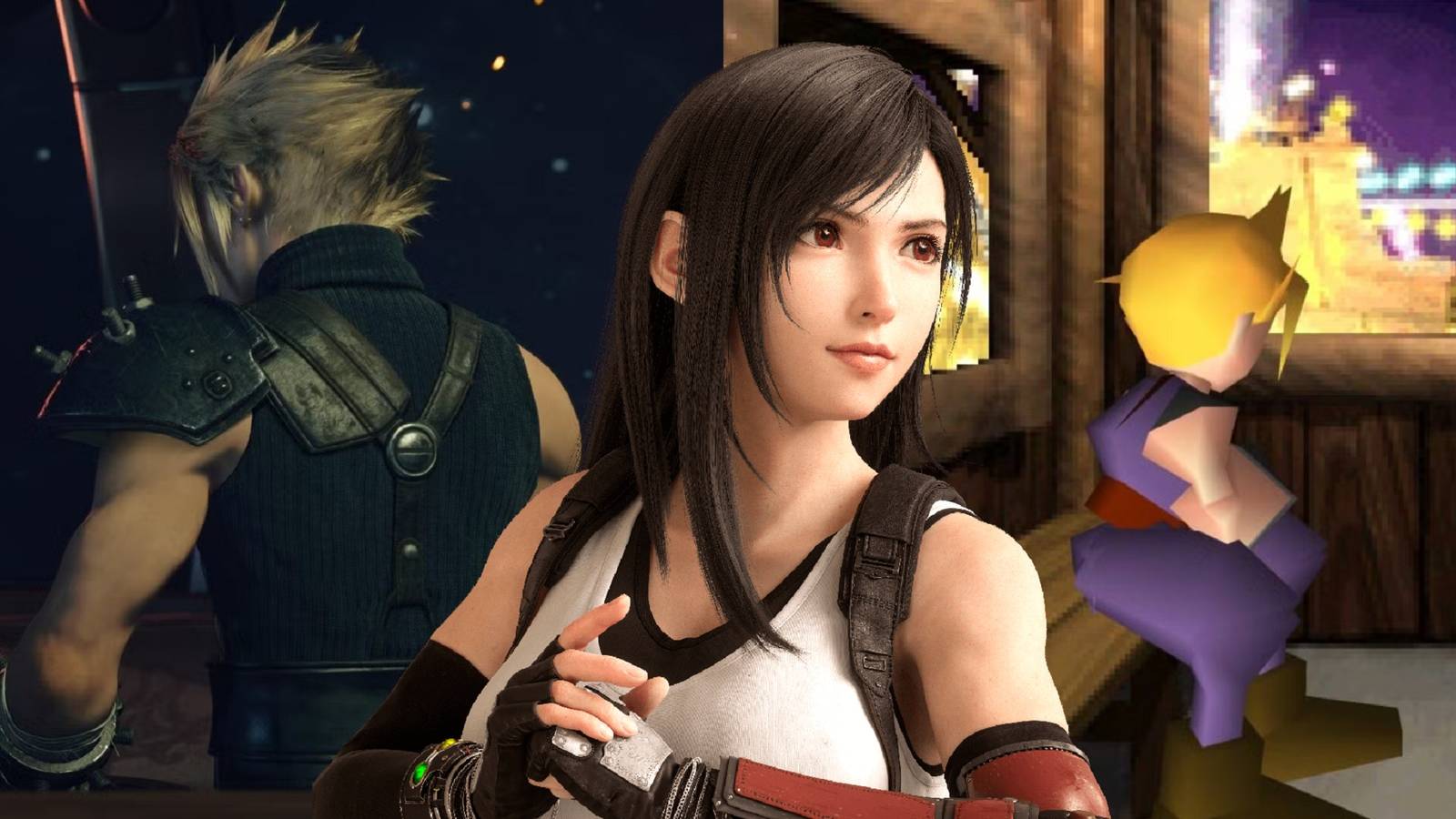
- Game: Final Fantasy VII Remake
- Developer: Square Enix
- Original Release Date: 2020-04-10
- Metacritic Score: 87
The release of Final Fantasy VII Rebirth continues the ambitious project by Square Enix to modernize a classic, drawing comparisons to how other industry giants like Capcom have approached their own legacy titles such as Resident Evil 9. While players often look toward long-running online titles like Final Fantasy XIV for ongoing content, the single-player narrative of the Final Fantasy VII project remains a focal point for analysis in 2026. This report examines how the remake project alters the established narrative and why these changes resonate differently with a modern audience compared to the 1997 original.
Final Fantasy VII Remake Story Changes Explained 2026
The core of the current discourse surrounding the franchise involves the intentional shifts in the plot. As we have observed here at In Game News, the transition from the original hardware constraints of the 1990s to the capabilities of the PlayStation 5, PlayStation 4, and PC has allowed for a more granular approach to storytelling. Final Fantasy VII Remake story changes explained 2026 often center on the concept of a "reimagining" rather than a direct 1:1 recreation. By allowing the narrative to diverge, Square Enix has introduced a sense of uncertainty for veterans of the series, ensuring that even those who know the original script are subject to new emotional beats.
Why Does Final Fantasy VII Remake Hit Harder Than the Original
The emotional impact of the remake is largely attributed to the player's existing knowledge of the source material. When meeting Aerith for the first time in the slums of Midgar, the experience is fundamentally different for a player in 2026 than it was for a player in 1997. The presence of plant life in the slums serves as a visual indicator of her heritage as the last Cetra, a detail that carries more weight when the player is fully aware of her eventual fate. This foreknowledge transforms the player's interaction with the character, as her dialogue occasionally hints at a deeper understanding of the timeline, suggesting she may be aware of the tragedy awaiting her.
Cloud Strife and the Identity Crisis
Cloud’s character arc is another area where the narrative expansion provides a more visceral experience. The game explores his fractured identity through a series of moments that appear earlier and with more clarity than in the original title. The influence of Crisis Core provides additional context for these scenes, particularly regarding his relationship with Zack Fair. When Cloud blanks out during conversations involving Zack, it serves as a stark reminder of the trauma and Mako poisoning he endured at the hands of Hojo. These moments are not just plot points; they are representations of a psyche struggling to reconcile false memories with the harsh reality of his experiments.
What Are the Biggest Narrative Differences in Final Fantasy VII Remake
The narrative structure has shifted to accommodate a more modern pacing. The following list outlines key areas where the remake deviates from the original experience:
- Timeline Awareness: Characters exhibit subtle signs of knowing future events, creating a meta-narrative that challenges the fixed nature of the original story.
- Character Depth: Secondary characters and antagonists like Hojo are given more screen time, allowing for a more detailed exploration of their motivations and the cruelty of the Shinra Corporation.
- Environmental Storytelling: The city of Midgar is rendered with high-fidelity graphics that emphasize the contrast between the slums and the upper plate, reinforcing themes of inequality.
- Psychological Trauma: The portrayal of Cloud’s Mako poisoning and his identity crisis is more explicit, utilizing modern cinematic techniques to visualize his internal struggle.
Final Fantasy VII Remake vs Original Story Analysis 2026
When conducting a Final Fantasy VII Remake vs original story analysis 2026, it becomes clear that the developer's intent was to leverage the player's nostalgia while simultaneously subverting it. The lab sections involving Hojo, for example, evoke a stronger sense of anger in the remake. In the original, the limitations of the era meant that the horror of these experiments was largely left to the player's imagination. In the modern version, the visual fidelity makes these encounters more disturbing, ensuring that the player's emotional response is heightened by the clarity of the presentation.
For those interested in how these narrative shifts impact the broader scope of the franchise, you can review our Square Enix coverage for more details on the development process. Furthermore, for a deeper look at how these games compare to other major titles in the industry, check out our industry analysis reports. These resources provide a broader context for why the Final Fantasy VII project continues to be a staple of modern gaming discussions.
Frequently Asked Questions
What are the biggest narrative differences in Final Fantasy VII Remake?
The primary differences involve a reimagined timeline where characters appear to possess knowledge of future events, creating a meta-narrative layer that contrasts with the original 1997 release.
How does Final Fantasy VII Remake expand on original story moments?
By removing hardware limitations, developers at Square Enix have added significant depth to character backstories and environmental storytelling, particularly regarding Cloud Strife’s psychological state and Hojo’s experiments.
Why does Final Fantasy VII Remake hit harder than the original?
The remake hits harder because players now carry the emotional weight and foreknowledge of the original game's tragic events, which are amplified by modern cinematic presentation.
Final Fantasy VII Rebirth and Remake Character Changes Explained 2026Final Fantasy VII Rebirth
Square Enix Announces Final Fantasy VII Trilogy for Switch 2: Storage...Final Fantasy VII Remake
FFVII Remake Switch 2 Demo Just Got a Silent Patch: Here's Why Square...Final Fantasy VII Remake
FF7 Remake on Switch 2 is the Native Miracle We Wanted—With a Catch