
10 Adventure Games That Are Better Left Unplayed
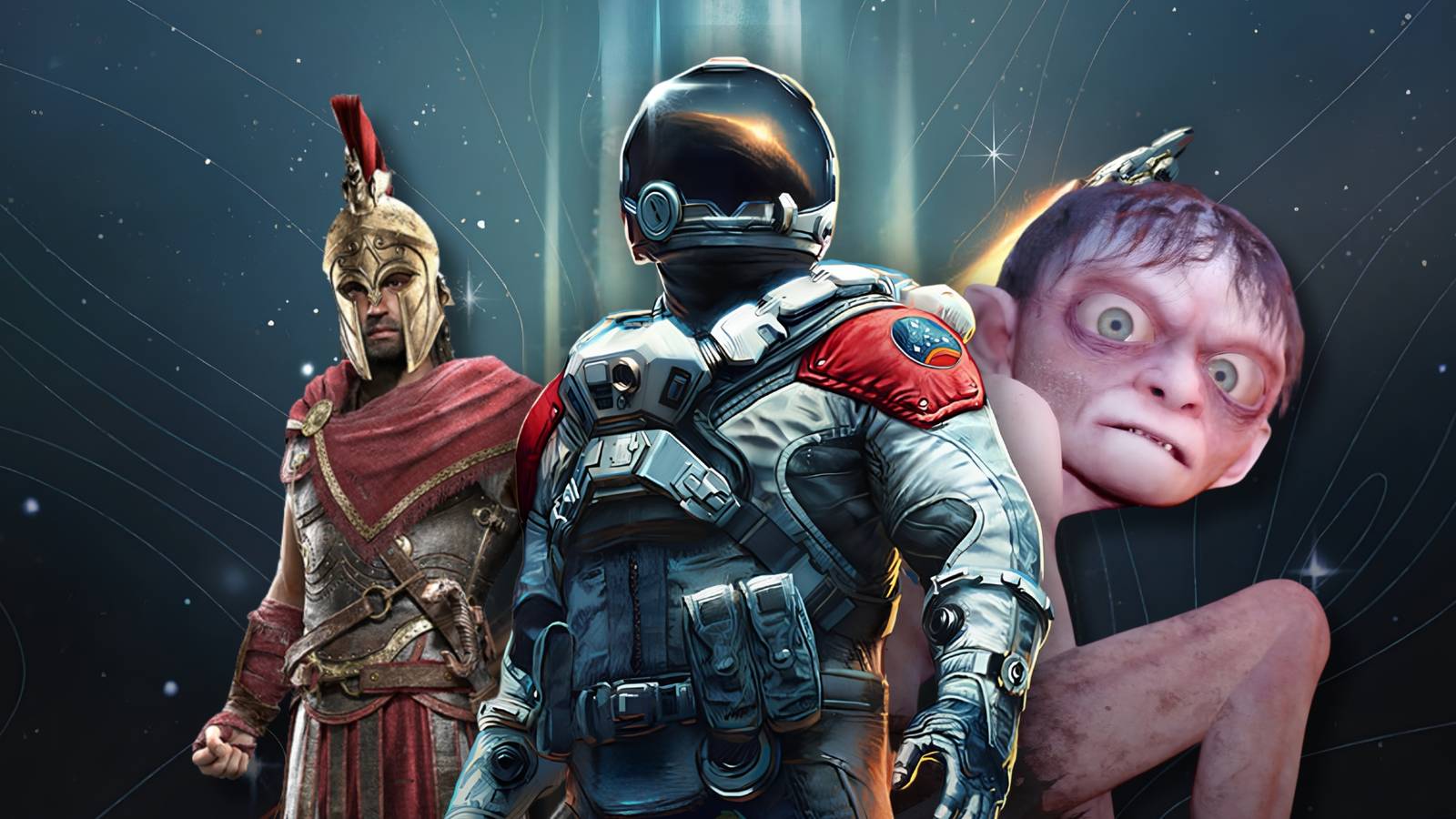
Adventure games are meant to spark wonder. Whether you are exploring a point-and-click mystery or traversing a massive open world, the genre thrives on discovery. But sometimes, the further you dig into a game, the more you realize it was a mistake to start it in the first place. Whether due to buggy code, lazy design, or outright plagiarism, some titles represent the worst the genre has to offer. If you are looking to curate your library in 2026, here are the adventure games you should definitely avoid.
The Bottom of the Barrel
At the top of the list for all the wrong reasons is Limbo of the Lost. Taking 20 years to develop, the game was pulled from shelves shortly after its 2008 release due to blatant plagiarism. It is a fever dream of nonsensical storytelling and ear-splitting sound design that is painful to look at, let alone play.
Then there is Codename: ICEMAN (1990). Despite its aspirations of being a gripping political thriller, this submarine simulator is defined by obtuse puzzles and dead ends that force players to restart hours of progress. It lacks any endearing characters to make the frustration worth the effort.
Modern Missteps and Technical Nightmares
Even with modern technology, developers still miss the mark. The Lord of the Rings: Gollum (2023) stands out as a particularly dark shadow on its franchise. With graphics that feel like a poor-quality PS1 rip-off and a laundry list of game-breaking bugs, its failure was so significant that developer Daedalic Entertainment closed its Hamburg, Germany, locations shortly after launch.
Suicide Squad: Kill the Justice League (2024) serves as a cautionary tale of a studio straying too far from its strengths. After building a reputation for refined action-adventure titles, Rocksteady’s pivot to a live-service open-world grind resulted in a project criticized as overstimulating visual noise.
Design Choices That Kill the Fun
Some games fail not because they are broken, but because they are fundamentally tedious. Starfield (2023) attempted to carve out a new space for Bethesda, but resulted in a bland experience where space travel was initially relegated to menus and fast-travel points. With many of its 1,000 planets procedurally generated rather than crafted, the incentive to explore is practically nonexistent.
Similarly, Assassin’s Creed: Odyssey (2018) is often cited as a prime example of open-world bloat. While it offers a vibrant setting, the experience is marred by an overabundance of repetitive missions and empty space that turns exploration into a chore. Mafia III (2016) follows a similar path; despite an engrossing story, the gameplay loop consists of repetitive busywork in an empty version of 1968 New Bordeaux, leaving players with only brief flashes of greatness.
The Infamous Classics
Not all bad games are modern. The Mystery of the Druids (2001) remains a cult favorite for its "so-bad-it's-good" quality, featuring absurd leaps of logic and a disgraced cop protagonist. However, it is fundamentally clunky and historically prone to crashing at the slightest provocation. Likewise, Leisure Suit Larry: Box Office Bust (2009) is a masterclass in poor design, pairing atrocious, embarrassing writing with a camera system that actively fights the player, often sending Larry to his death.
Finally, Cabela's North American Adventures (2010) fails to make the hunter lifestyle satisfying. With sluggish, tedious movement that alerts targets and broken aiming mechanics that make hitting smaller prey nearly impossible, it is a textbook example of a game that lacks the polish required for an engaging adventure.