
10 JRPGs That Hide Their Best Storytelling in Optional Content
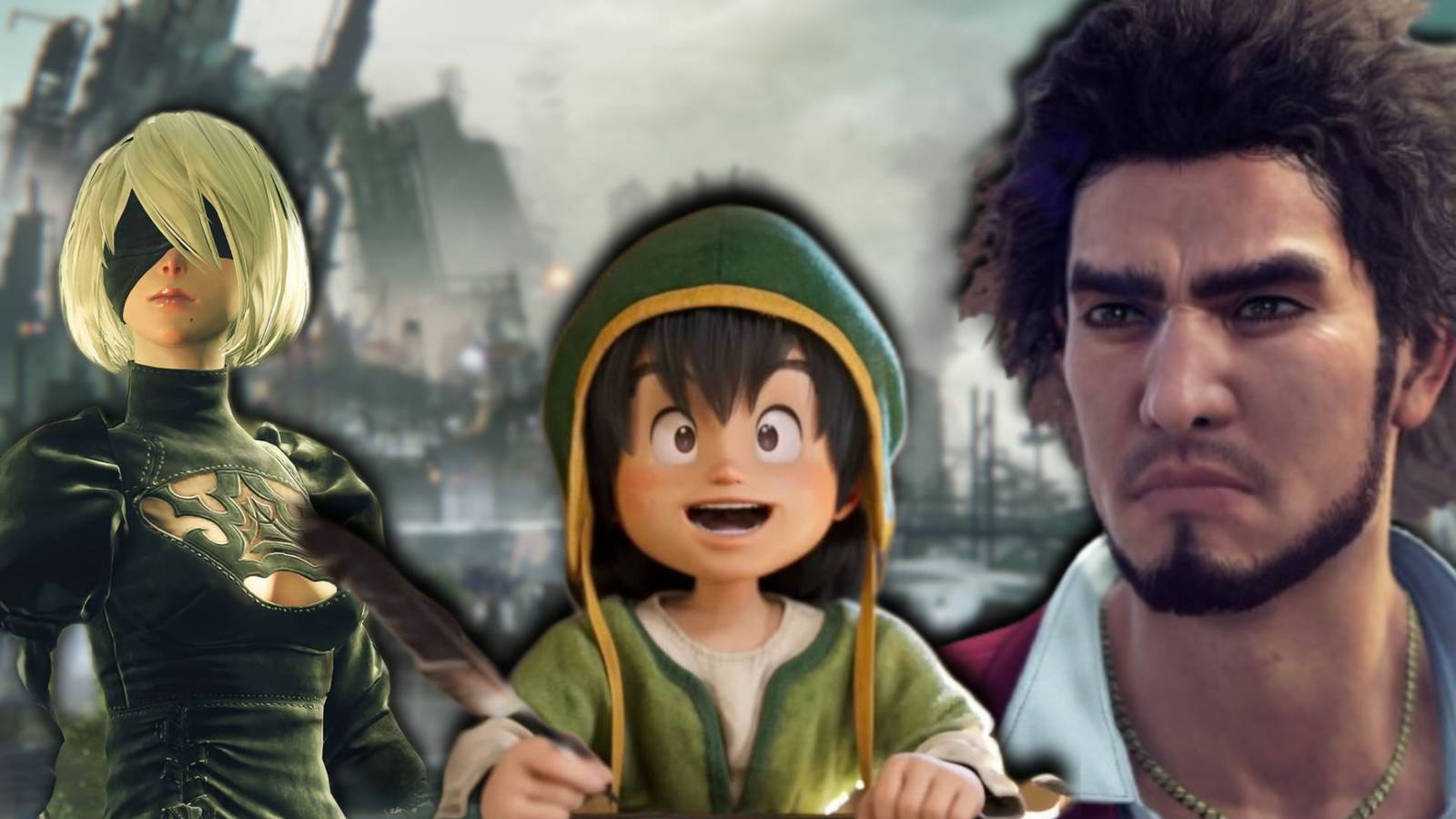
JRPGs are defined by their sprawling worlds and massive narratives. If you are stepping into the genre, you likely expect over 30 hours of gameplay, much of which is found in the optional side quests. While the main plot points are often the draw, many of the genre’s best moments are tucked away in side content—whether it is a conversation revealing a companion’s hidden motivation or a vignette that deepens the game's core themes.
- Focus: JRPGs with hidden narrative depth
- Key Mechanic: Optional side quests and social links
- Featured Titles: NieR: Automata, Persona 4 Golden, Dragon Quest VII, and more
- 2026 Context: Features recent releases and classics alike
Deep Dives into Character and Lore
Titles like Persona 4 Golden (Atlus) utilize social links to act as a therapist for your companions, offering a breather from the tense murder-mystery plot while unpacking character backstories. Similarly, Fire Emblem: Three Houses ties vital character growth to optional paralogues, such as Marianne’s exploration of her house’s history, which adds immense weight to her personal arc.
For players who crave world-building, Xenoblade Chronicles X offers "Affinity Quests" that many fans consider the true narrative experience. Missions like "Lone Survivors" provide a grim look at the aftermath of the alien war, grounding the player in the struggle of humanity on the planet Mira.
Emotional Payoffs in Side Quests
Some games use side content to completely recontextualize the main journey. In NieR: Automata, the "Amnesia" side quest is a standout example, revealing a tragic layer of identity and betrayal that stays with the player long after the mission ends. Meanwhile, Yakuza: Like A Dragon features the "Forget Me Not" quest, which provides a poignant look at Ichiban’s internal trauma, arguably surpassing the main plot in emotional impact.
Other games use optional content to reward exploration. Final Fantasy VI allows players to recruit party members and resolve character arcs in the World of Ruin that are entirely missable. Dragon Quest VII, recently reimagined by Square Enix and HexaDrive, features island-based side quests that show how your actions impact the world and the legacy of its inhabitants, such as the social commentary found on Vogograd island.
Historical and Political Depth
Lost Odyssey uses optional visual-novel-style scenes to detail the 1,000-year history of the protagonist, Kaim Argonar, while The Legend of Heroes: Trails of Cold Steel offers optional school-based missions that flesh out the political climate of the Erebonian Empire. In Unicorn Overlord, the side battles serve as pivotal recruitment opportunities, where your choices on whether to execute or spare characters directly shape your army and the outcome of the rebellion.