
Looking Back at the Final Fantasy VII Remake Trilogy's Biggest Shifts
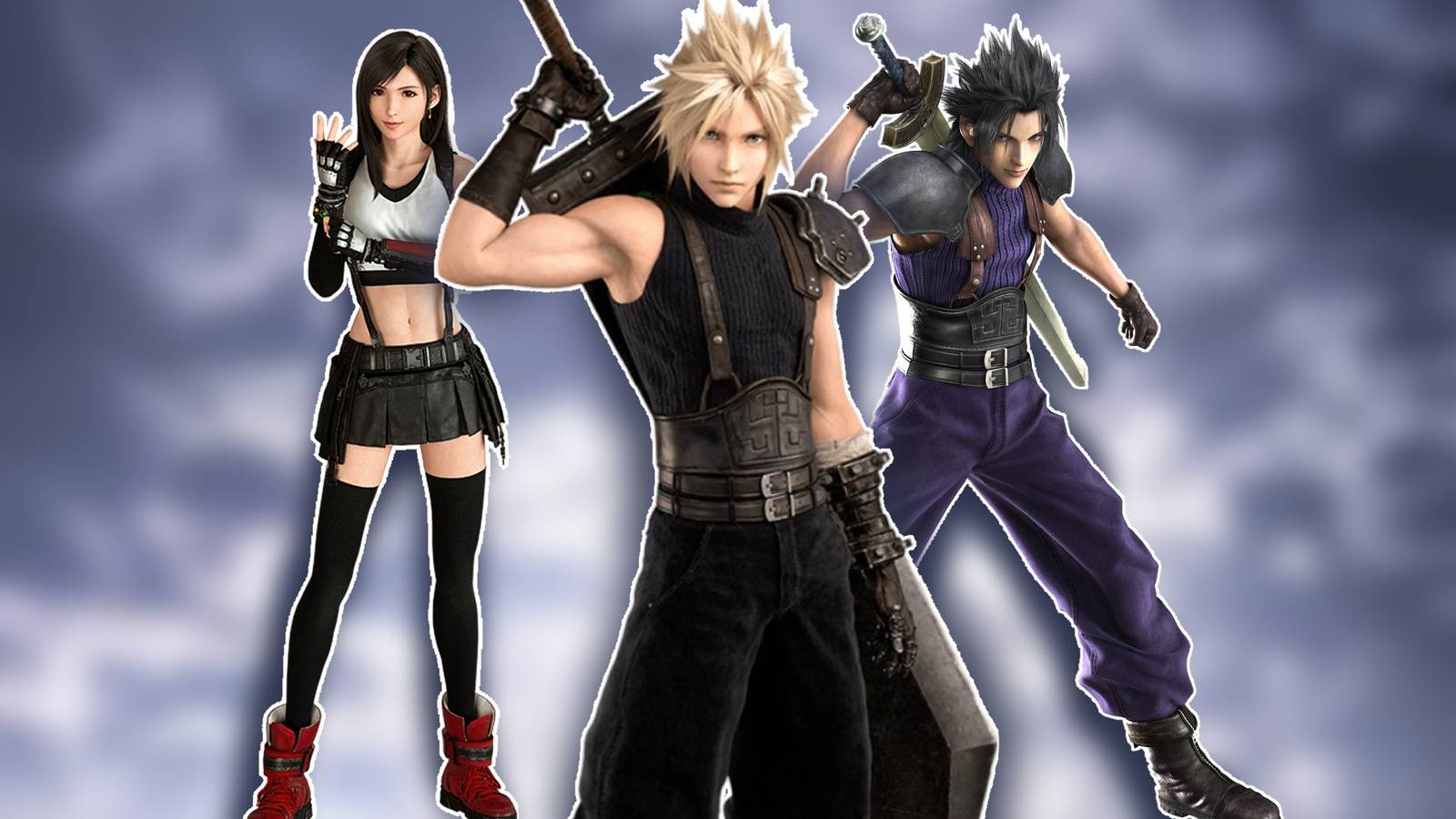
It has been seven years since the Final Fantasy VII Remake journey began in 2020. With the third and final installment, Final Fantasy VII Revelation, currently on track for a 2027 release, players are looking back at how Square Enix has fundamentally altered the narrative of the classic RPG. The trilogy has made it clear that things would be different, but the specific ways these changes manifest have kept fans guessing.
The Whispers and Visions of a Different Future
A central pillar of the first Final Fantasy VII Remake was the introduction of the Whispers. These entities provided the party with visions of the future, including the destruction of Midgar by Meteor and Aerith’s eventual death. Because these visions align with events from Final Fantasy VII: Advent Children, the game effectively frames the original timeline as a “bad ending” that the characters are actively trying to avoid. Aerith’s behavior throughout the series suggests she is aware of these outcomes, notably telling Cloud in a dream that he cannot fall in love with her because, if he did, it wouldn't be real.
New Takes on Iconic Tragedies
The trilogy has used familiar beats to highlight new character depths and darker consequences. In Final Fantasy VII Rebirth, the encounter with Dyne is more harrowing than its original counterpart; rather than a lucid conversation, Barret’s foil suffers from severe hallucinations, believing he is still with his family. Similarly, the moment the Sector 7 plate falls is marked by the arrival of Cait Sith, who reaches the scene too late, emphasizing the scale of the disaster to those familiar with the series.
Cloud’s own mental instability is also explored more aggressively. During the events in Gongaga, Sephiroth manipulates Cloud, forcing him to reenact the Nibelheim incident with Tifa. While Cloud does not physically harm her, the sequence serves as a terrifying look at how deep Sephiroth’s influence runs.
Timeline Shenanigans and the Future
Perhaps the most significant deviation is the survival of Zack Fair. By moving away from the singular path of the 1997 original, the trilogy has introduced multiple timelines or worlds. Players now experience segments as Zack in an alternate version of Midgar, expanding the scope of the mission to save the planet beyond just Cloud and his immediate party.
This culminates in the fractured ending of Final Fantasy VII Rebirth. In the Forgotten Capital, the game presents conflicting realities regarding Aerith’s fate. With the party sensing her presence while Cloud perceives a massive crack in the sky, the true nature of these events remains the series' biggest unanswered question heading into Revelation.
- Developer/Publisher: Square Enix
- Final Fantasy VII Remake Release: April 10, 2020
- Final Fantasy VII Rebirth Release: February 29, 2024
- Conclusion: Final Fantasy VII Revelation is expected in 2027
- Platforms: PlayStation 5, Xbox, PC
Square Enix Plans for Future of Final Fantasy Series in 2026Action
Final Fantasy VII Rebirth and the Evolution of Narrative in 2026Action
Final Fantasy VII Rebirth and Remake Character Changes Explained 2026Final Fantasy VII Rebirth
Square Enix Announces Final Fantasy VII Trilogy for Switch 2: Storage...