
Why Capcom’s Oracle of Ages and Seasons Remain the Best 2D Zelda Games
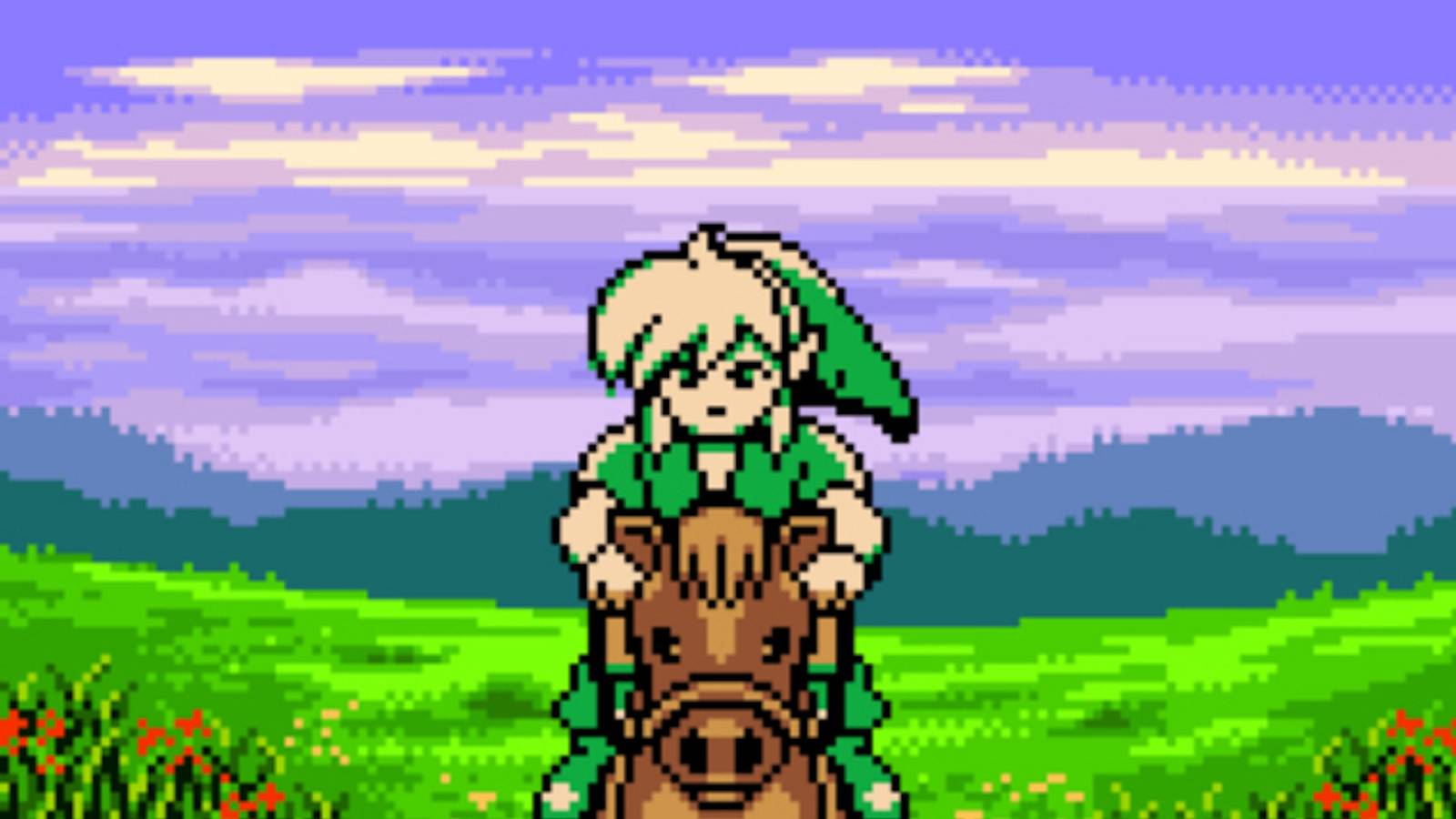
In the late 1990s, Nintendo had a specific problem: they wanted more Zelda games in the hands of players, but struggled to balance new releases with the need to keep the classics accessible. The solution came from an unlikely place. Capcom screenwriter Yoshiki Okamoto led the studio's then-new subsidiary, Flagship, and pitched an ambitious project to series creator Shigeru Miyamoto. The result, after a few years of development and scope adjustments, was The Legend of Zelda: Oracle of Ages and The Legend of Zelda: Oracle of Seasons for the Game Boy Color.
Twenty-five years later, these two titles stand as perhaps the most inventive entries in the series' 2D history.
A Different Kind of Hyrule
The core premise is familiar: Link is summoned by the Triforce to distant lands—Labrynna in Ages and Holodrum in Seasons—to stop the forces of darkness. But while the structure shares common ground with A Link to the Past and Link's Awakening, including the standard progression of dungeons, tools, and bosses, the world-building set Capcom’s work apart.
These lands felt like bustling, integrated societies rather than static map zones. Gorons, talking animals, and even subcultures of Moblins felt like they belonged to a living world. Capcom filled these maps with everything from pirates and witches to a thriving jewelry trade and underground cities. It wasn't just about the dungeon-crawling; it was about the life inhabiting the world between those dungeons.
The Best of 2D Zelda Mechanics
While the dungeon designs themselves might not reach the heights of A Link to the Past, the mechanics built around the primary gimmicks of each game were revolutionary for the time. Oracle of Seasons utilized a seasonal mechanic that, while occasionally gimmicky, featured gorgeous sprite work for each quarter of the year.
Oracle of Ages, however, is frequently highlighted as the stronger of the pair. Its puzzles centered on swapping between the past and future, relying on deep cause-and-effect logic that forced players to navigate complex maps and interact with local cultures to secure the tools needed to progress.
A Refreshing Take on Link
One of the most striking aspects of these titles is how they treat the protagonist. There is no heavy, world-ending sense of destiny weighing on Link in these adventures. He is simply a hero in the right place at the right time, witnessing the kidnapping of an Oracle or the possession of a singer. By stepping away from the typical Hyrulean lore involving goddesses and the familiar red-haired antagonist, Capcom created two worlds that operated by their own rules, proving that the Zelda formula could thrive in completely new territory.
For those who played both, the ability to link the two games—watching named characters grow and unlocking secret endings—only added to the sense that this was something truly special in the franchise's history.