
Xbox vs. PC in 2026: Why Platform Choice Is No Longer Just About Hardware
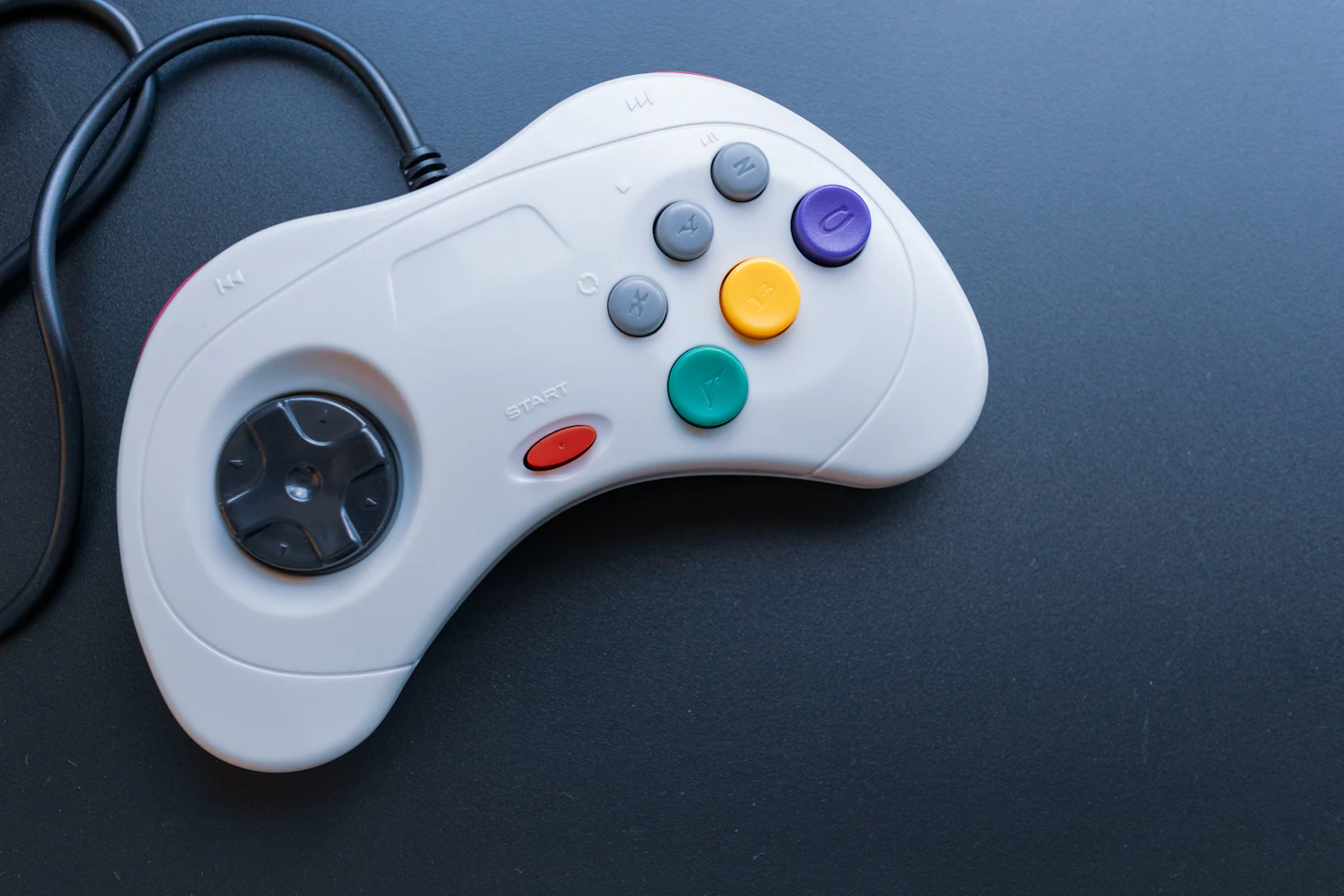
The long-standing debate over whether to game on an Xbox or a PC has shifted significantly in 2026. While performance metrics used to be the primary driver for a player’s decision, the industry has moved toward a more nuanced landscape where lifestyle, budget, and ecosystem preferences take center stage.
- Xbox Appeal: Simplified setup, consistent performance, and predictable hardware lifecycles.
- PC Appeal: High-level customization, modding support, and superior competitive performance.
- Market Shift: Subscription services and cloud gaming are reducing the traditional barriers between platforms.
- Esports Impact: Competitive gaming remains heavily dominated by the PC platform due to input latency and frame rate advantages.
The Case for Console Convenience
For many, the Xbox remains the go-to platform because it removes the technical friction often associated with PC gaming. The appeal lies in a standardized experience: you buy the hardware, plug it in, and the performance is consistent across the board. For casual and family-oriented gamers, the low learning curve and minimal maintenance requirements make consoles a more predictable, budget-friendly entry point.
Flexibility and Control on PC
PC gaming continues to attract a dedicated audience that values autonomy. The ability to swap hardware components, adjust granular graphics settings, and utilize extensive modding communities provides a level of control that consoles simply cannot match. While this often requires a higher upfront financial investment, many users find that the flexibility for work, education, and content creation justifies the cost.
How Subscriptions and Cloud Gaming Blur the Lines
Subscription models like Xbox Game Pass have fundamentally changed how players access games, moving the industry toward a model that favors access over ownership. Because these services are available on both consoles and PCs, the hardware divide is shrinking.
Cloud gaming is accelerating this trend even further. By allowing games to be streamed to various devices, cloud technology is reducing the reliance on local processing power. As global internet infrastructure improves, the traditional walls between the Xbox and PC ecosystems are becoming increasingly porous.
Competitive Gaming Remains a PC Stronghold
Despite the advancements in cross-platform play, professional esports and high-level competitive gaming still lean heavily toward PC. Titles in the first-person shooter, real-time strategy, MOBA, and simulation genres benefit from the higher frame rates and lower input latency that high-end PC hardware provides. For the serious competitor, the peripheral flexibility and hardware control of a PC remain the industry standard.
A Future of Ecosystems
Today, the industry is moving away from platform exclusivity and toward shared ecosystems. Features like cross-platform matchmaking, shared progression, and unified friend networks allow players to jump between devices with ease. In 2026, the question is no longer about which box is more powerful, but rather which ecosystem best fits the way you live and play.