
Nintendo Confirms Return of Traditional Zelda Formula in Ocarina Remake
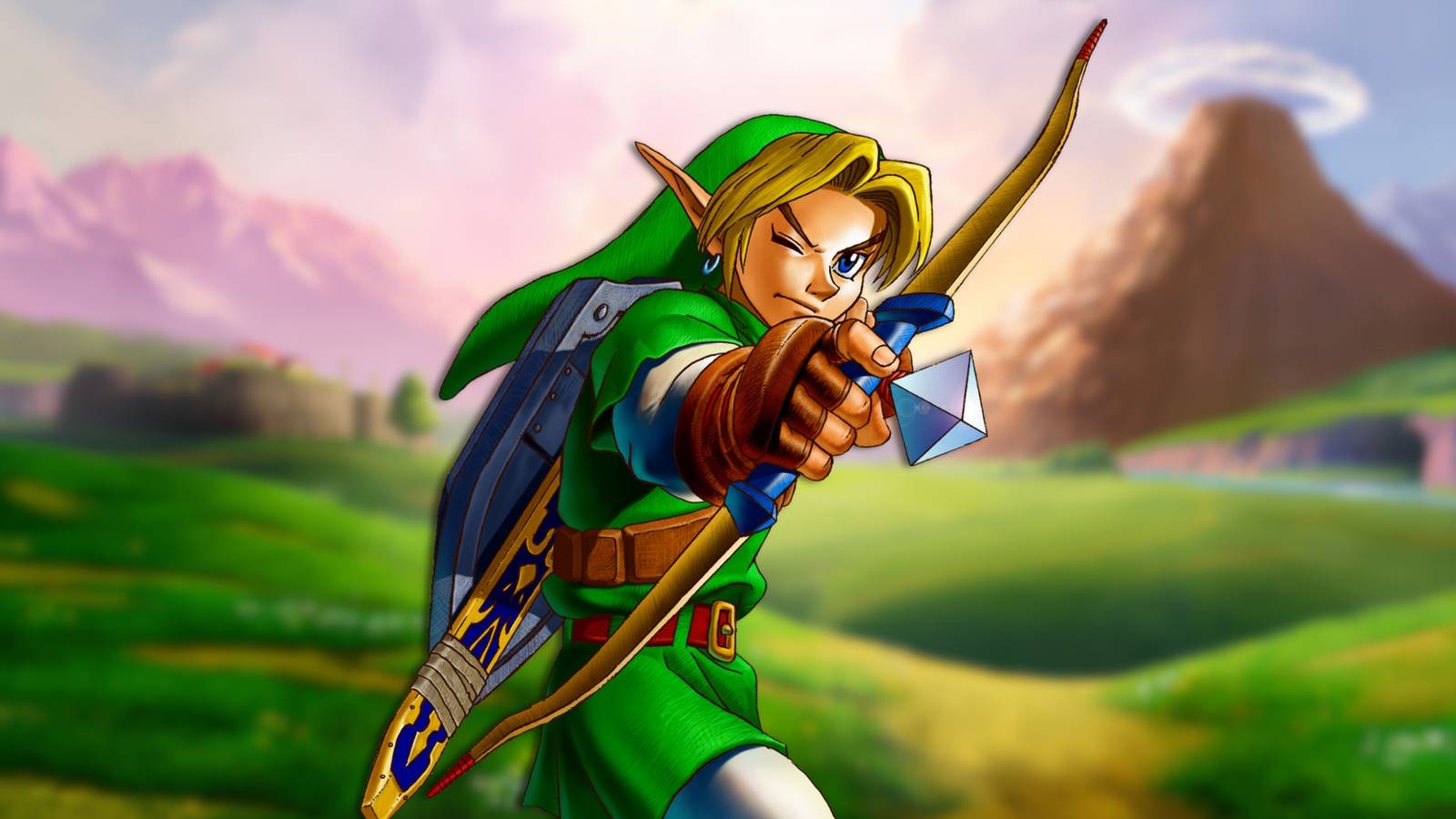
After years of shifting away from the structure that defined the franchise for decades, Nintendo is bringing the traditional Zelda formula back to the forefront. With the surprise announcement of The Legend of Zelda: Ocarina of Time remake this June, the company has confirmed it will be sticking to the classic gameplay style that fans have been missing since 2011.
For many, the classic Zelda experience—defined by a distinct overworld, gated dungeons, and item-based progression—was the heart of the series. From the original 1986 title through the early 2010s, this "signature recipe" allowed players to explore, navigate multi-level labyrinths, and unlock new areas using specific items found within those dungeons. It was a consistent, reliable loop that felt like an integral character of the franchise itself.
The Shift to Modern Zelda
The transition away from this design began with 2017's The Legend of Zelda: Breath of the Wild. As a launch title for the Nintendo Switch, it prioritized an open-ended approach that largely moved past the rigid structure of its predecessors. Following its massive success—selling over 34 million units—the franchise leaned heavily into this new direction, a trend that continued with the release of Tears of the Kingdom.
Eiji Aonuma, the series producer, had previously suggested that the team had stretched the classic concept as far as it could go, leading many to believe the old-school dungeon-crawling format was gone for good. Aonuma himself stated they did not anticipate a return to that specific style for a mainline game in the near future.
Why the Ocarina of Time Remake Matters
The announcement of the Ocarina of Time remake changes that narrative. By committing to the original gameplay loop, Nintendo is inviting players back to a style of design that hasn't seen a significant release since Skyward Sword over a decade ago.
While the open-world entries have been successful, the return of the classic formula serves as a reminder of why that "fertile playground for game design" remains so compelling. Even if this remake serves as a one-time look back, it provides a vital opportunity for developers and players alike to revisit the satisfying, puzzle-heavy progression that established the series' identity. For those who found themselves longing for the traditional dungeon-gated experience, the return of the King in 2026 offers a welcome, nostalgic shift.