
Researchers Are Turning 2,000 Old Smartphones Into a Data Center
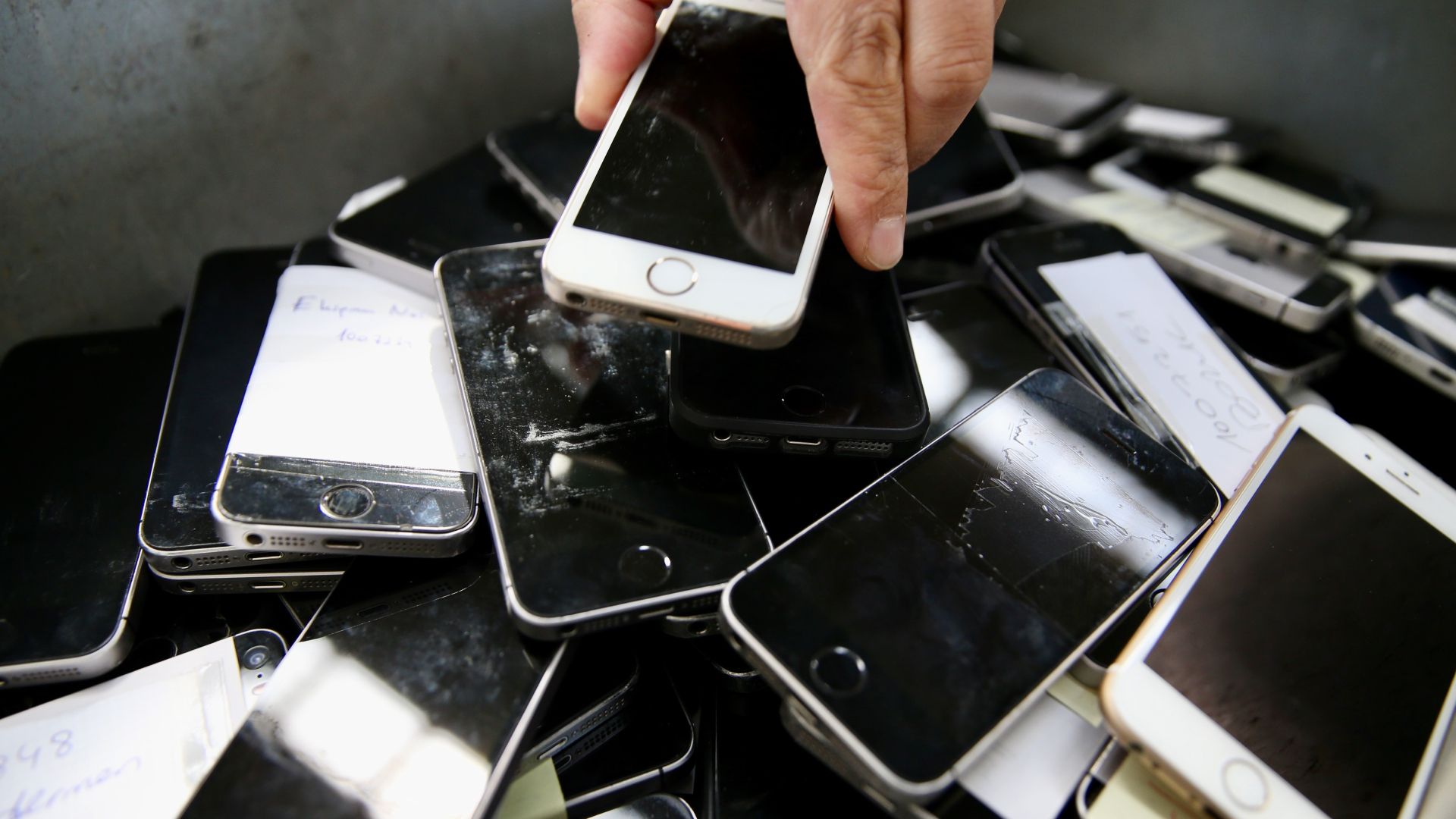
E-waste is a massive environmental problem, and the massive data centers required to keep our digital world running only add to that concern. Now, a team of researchers from the University of California, San Diego, has proposed a clever solution: building a functional cloud computing data center using 2,000 recycled Google Pixel smartphones.
On average, people replace their smartphones every four years. While these devices are often considered "outdated" by consumers chasing the latest tech, the processors, memory, and storage chips inside them remain quite powerful, especially when networked together. By repurposing these devices, the researchers aim to negate the need for newly manufactured hardware and keep functional tech out of landfills.
How to Build a Smartphone Server
The project isn't as simple as just plugging in a pile of phones. Modern smartphones contain many components—like batteries and displays—that are inefficient or hazardous to deploy in a large-scale server environment. To build their cluster, the team strips away everything except the motherboard and the attached chips, which represent the bulk of the device's embodied carbon.
Once the hardware is stripped down, the phones are chained together to create a cluster. The software side is handled by Kubernetes, an open-source system used for managing containerized applications. The team also installs a specialized Linux distribution on each unit, bypassing the standard Android operating system, which lacks the necessary optimizations for server deployment.
Performance and Future Scalability
While the concept might sound like a hobbyist project, the performance results are promising. The research team noted that the single-threaded performance of a modern smartphone processor core is on par with, or sometimes better than, many multicore server chips.
The scale of the project is already producing results for university applications. According to the researchers, early experiments show that a cluster of just 20 phones can support peak submission rates for a class of over 75 students with grading latencies that beat the default AWS backend. The team expects a full 2,000-phone deployment will be capable of supporting a hundred such classes simultaneously.
Google is officially supporting the project, aiming to provide researchers and students with low-cost, low-carbon cloud computing options. While this specific initiative won't single-handedly offset the massive ecological footprint of global data center expansion, it serves as a practical model for how existing, "discarded" hardware can be put to work rather than being trampled by bulldozers at a dump.
Ace Combat 8: Wings of Theve Launches October 2026 on XboxAnalysis
Microsoft CEO Satya Nadella Says Xbox Needs Better MonetizationMultiplayer
UK Announces Under-16 Social Media Ban: What It Means for GamersHandheld Gaming
Where Giants Fall Brings Bullet-Heaven Action to Linux and Steam Deck