
Xbox Hasn’t Just Shot Itself In The Foot, It’s Blown Off A Whole Limb
Writing about the state of Xbox in 2026 feels increasingly futile. Every time the industry looks away, the console giant seems to shutter another studio, walk back previous commitments, and erode the remaining goodwill it once held. Following a positive rebrand and a strong summer showcase, it appeared that the new leadership team of Asha Sharma and Matt Booty were positioned to drive meaningful change, but the economic reality of the division has stalled that momentum.
Over the past two console generations, Xbox has trailed in last place. Despite significant investments in Xbox Game Pass and high-profile studio acquisitions, the company is failing to bridge the gap. The core issue is simple: they aren't producing enough games, and the titles they do release have either failed to recoup costs or struggled to find success on their home platform.
The Three Percent Accountability Margin
The financial pressure is immense. In a recent statement to employees, Asha Sharma revealed that the division is operating with a three percent accountability margin. For every $100 spent, the company is only recouping $3 in profit. While focusing on exclusives might seem like a natural move, it is currently being used as a smokescreen for imminent, extensive layoffs and multiple studio closures.
- Division Profit Margin: 3% (3 dollars profit per 100 dollars spent)
- Studios at Risk: Compulsion Games, Ninja Theory, Double Fine
- Current Leadership: Asha Sharma and Matt Booty
- Hardware Status: Project Helix remains in development
The Future of First-Party Studios
The restructuring is hitting hard. Reports suggest that Microsoft plans to shutter Compulsion Games, the team behind South of Midnight and We Happy Few. Furthermore, Ninja Theory and Double Fine are reportedly at risk of being closed entirely unless they can secure independence or acquisition by a third party. These studios were initially acquired by Phil Spencer and his team to bolster the Game Pass library, but with subscriber numbers falling, that business model is no longer viewed as viable.
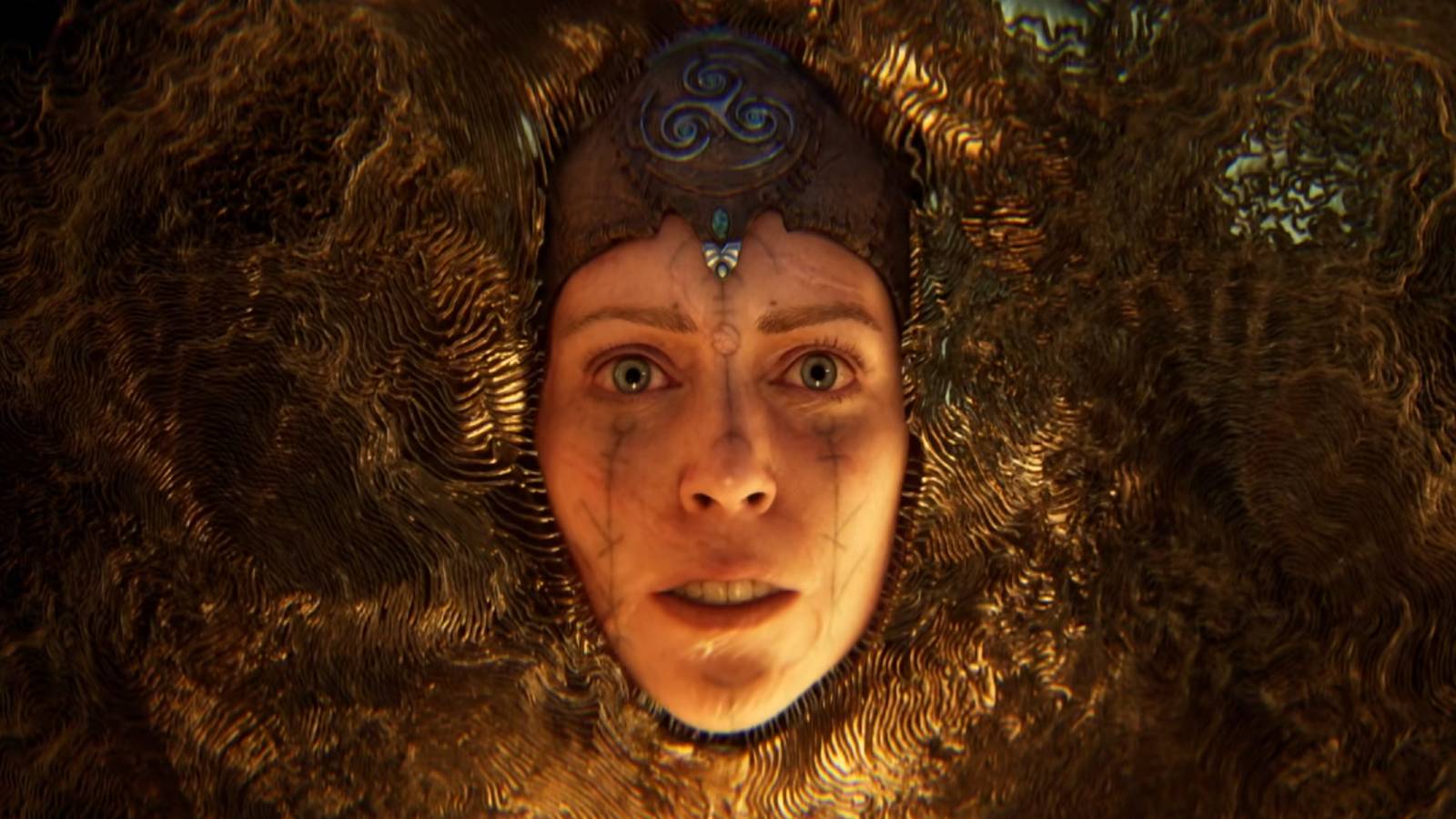
Titles like Hellblade 2: Senua’s Saga and South of Midnight were created with the goal of delivering high-quality, award-worthy games rather than immediate sales. However, these games failed to move the needle for Game Pass or capture the critical acclaim seen by competitors like PlayStation and Nintendo. In a landscape where shareholders are demanding fiscal responsibility, these developers have become the first on the chopping block.
Hardware and Rising Costs
Compounding these issues are Microsoft’s investments in AI initiatives, which have been criticized as costly and ineffective. Sharma has pointed to the rising cost of components for consoles, which will increase the price of hardware production. This forces software to carry an even heavier financial burden to compensate for those losses.
While some industry observers suggest Xbox should exit the hardware business entirely to function as a third-party publisher—similar to Sega’s path post-Dreamcast—the company is heavily invested in Project Helix. Abandoning that work now would likely lead to further cancellations and talent loss. As it stands, the first-party landscape for Xbox is set to become unrecognizable as the company prioritizes guaranteed financial wins over artistic ambition.
Crusader Kings 3: By God Alone DLC Launches September 30Analysis
Why PS2 JRPGs Like Final Fantasy X Still Feel Like They're Falling ApartAction
Granblue Fantasy: Relink – Endless Ragnarok Arrives July 9 on PlaySta...Action
World War Z Limitless Strain Update Adds New Horde Challenges and Perks